

Speakers 2026
Discover the speakers of this edition
Iliana Papangeli, Solomon
Journalist and Managing Director of Solomon, an internationally recognized investigative outlet based in Greece known for its in-depth reporting on migration, accountability, and the environment. She has been nominated for the European Press Prize 2021 and won the IJ4EU Impact Award 2022 and the Daphne Caruana Galizia Prize.
Her work has appeared in The New Humanitarian, Balkan Insight, Der Tagesspiegel, and openDemocracy, and she has taken part in numerous cross-border investigations. She has served as a juror for the Evens Journalism Prize 2021 and the IJ4EU Impact Award 2023, and is a 2024 alumna of Columbia University’s LEDE program.
Javier Zamora, Solito y Unaccompanied
Salvadoran poet and writer. His work is shaped by the migrant experience. At age nine, he traveled alone from El Salvador to the United States, an odyssey he recounts in his memoir Solito (Random House, 2024), a New York Times bestseller.
His debut poetry collection, Unaccompanied (Copper Canyon Press, 2017), explores similar themes. He has received the 2024 Whiting Award, the 2022 LA Times–Christopher Isherwood Prize, and fellowships from Stanford University, the National Endowment for the Arts, and Harvard University, among others. He lives in Tucson, Arizona, where he collaborates with Salvavision.
Alice Driver, Arizona State University
James Beard Award–winning investigative journalist from the Ozark Mountains of Arkansas. She is a journalist at The Beam, the new investigative newsroom of the Howard Center for Investigative Journalism, part of the Walter Cronkite School of Journalism and Mass Communication at Arizona State University (ASU).
Her work focuses on the American food system, immigration, and unjust labor practices. She has written for The New Yorker, The New York Review of Books, National Geographic, CNN, and Oxford American. She holds a PhD and an MA in Hispanic Studies from the University of Kentucky and completed a postdoctoral fellowship at UNAM. In 2023 she won the James Beard Award for investigative reporting with the Civil Eats team.
Gabriela Sánchez, elDiario.es
Journalist and head of Desalambre, elDiario.es’s section specializing in human rights and migration. Based in Madrid, she covers Spanish migration policy and its consequences.
As a special correspondent, she has covered migration movements and refugees in Morocco, South Sudan, El Salvador, Ecuador, Mexico, Honduras, Cameroon, Italy, the Central Mediterranean, and Spain’s southern border, among other places, and her coverage of the Tarajal case stands out. She previously worked at elmundo.es and at Onda Cero Madrid and Pontevedra.
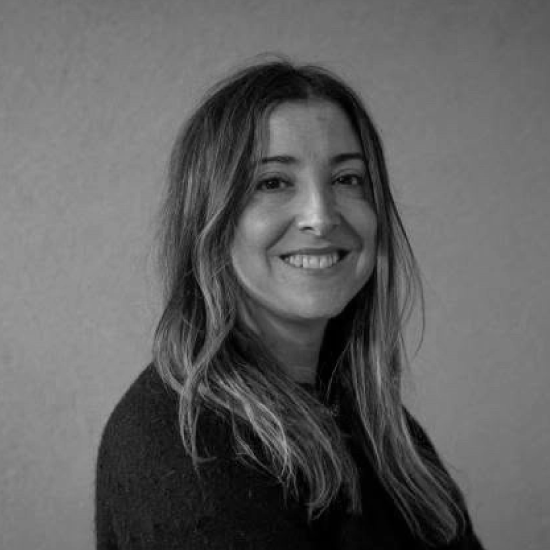
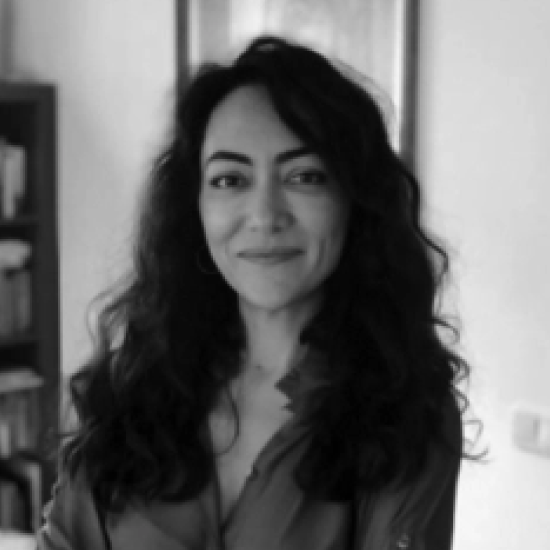
Şebnem Arsu, Der Spiegel
Turkey-based investigative journalist with a journalistic background in the region for over 20 years. She is currently correspondent for Der Spiegel and member of The Black Sea Foundation, a non-profit, independent platform specialising in narrative-driven, in-depth journalism and investigations on Turkey, Southeast Europe and beyond.
She opened the Turkey bureau for Associated Press Television in Istanbul in 1996, before joining Reuters as a senior producer in 1998. Her career in print journalism started in 2001 with the New York Times where she became the first Turkish correspondent of the paper, reporting mainly on the country for nearly 15 years. Şebnem’s work has also been published in The Independent and POLITICO, among other media outlets.
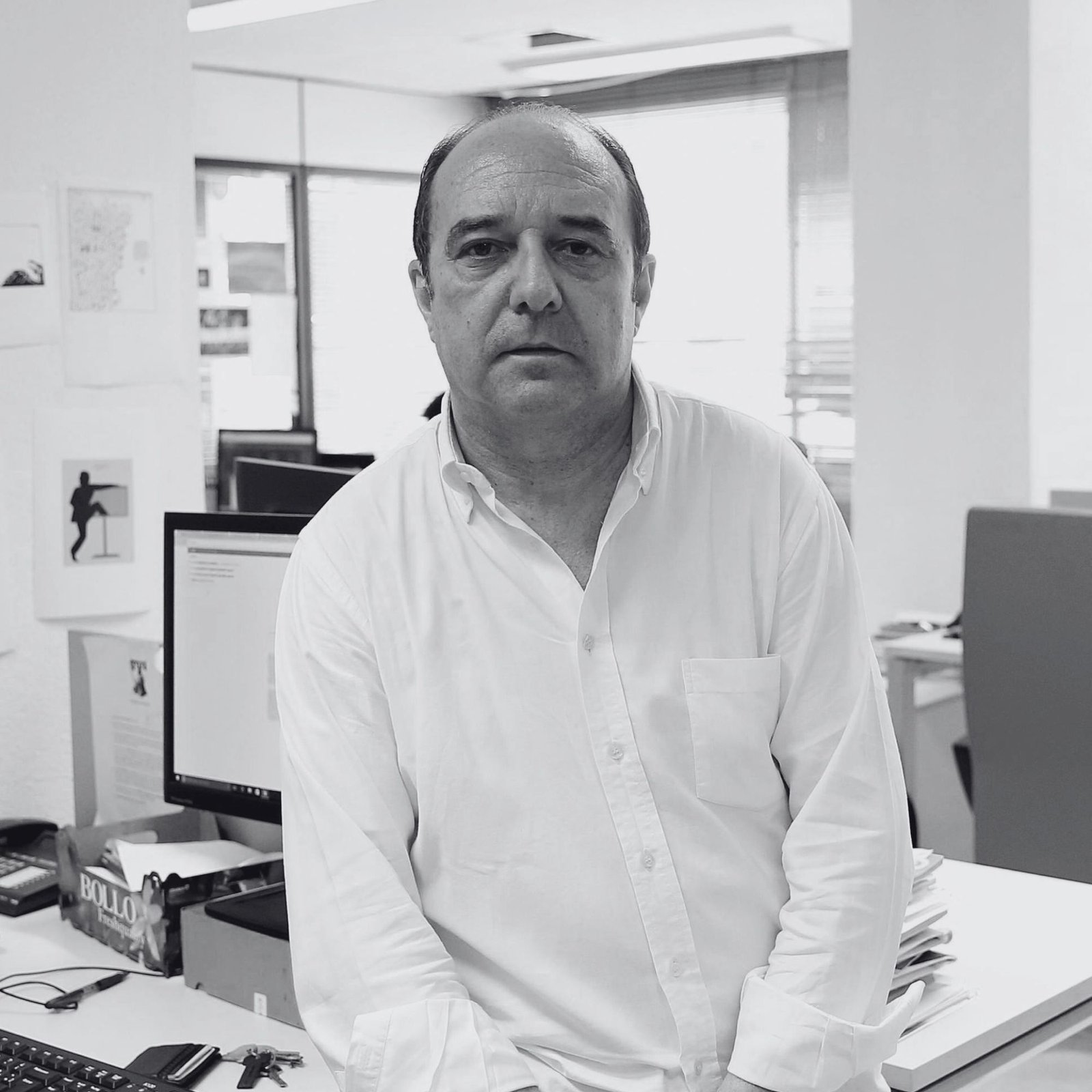
Jesús Maraña, InfoLibre
Journalist. He is the editorial director of infoLibre, the digital outlet he launched in 2013 with former colleagues from Público and other journalists, which also gave rise to the monthly print publication tintaLibre.
He began his career at the newspaper Informaciones, went on to work on TVE’s program Si yo fuera Presidente and at Antena 3 Radio, and took part in founding weekly publications such as Tribuna de Actualidad. He has been an editor at El Mundo and director of the magazines Interviú and Tiempo, and of the newspaper Público during its print era. A regular political analyst on radio and television debate programs, he has collaborated with La Sexta since its founding.
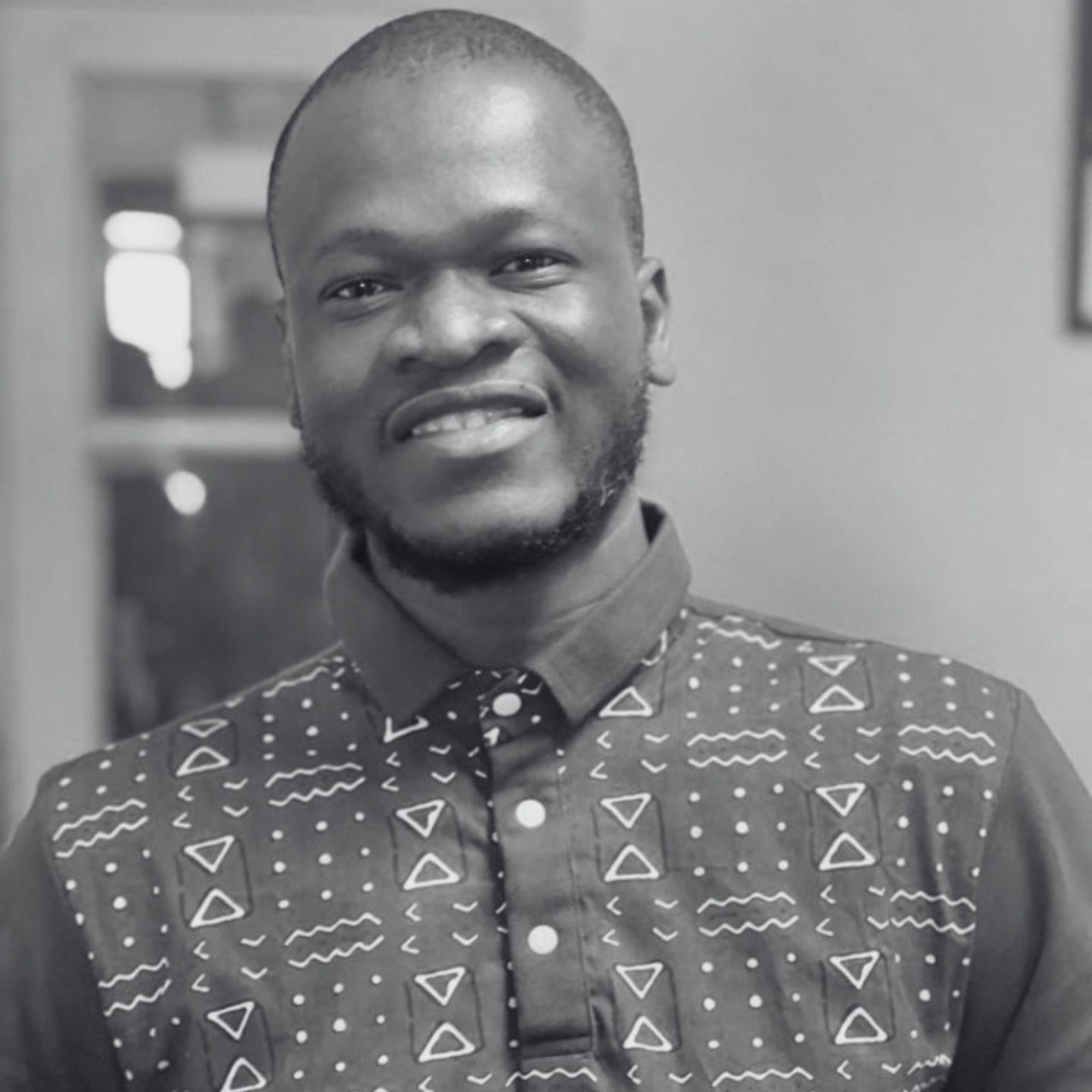
Salif Sakhanokho, PressAfrik
Senegalese journalist working at PressAfrik.com, specializing in coverage of migration, for which he has received two awards in recent years: one from the International Organization for Migration and another from the Association of Journalists Specialized in Migration and Security.
A journalism graduate, before joining PressAfrik he worked at the Alerte-Info news agency.
Marcela Turati, Quinto Elemento Lab
Mexican journalist specializing in human rights. Since 2000 she has covered forced disappearances and the impact of drug-related violence. A former reporter for Proceso magazine, she is a co-founder of the Periodistas de a Pie network and of the investigative journalism lab Quinto Elemento Lab, where she coordinates the project “A dónde van los desaparecidos” (“Where the Disappeared Go”).
She is the author of Fuego Cruzado and co-author of several collective books. Her awards include the María Moors Cabot Prize from Columbia University, the Walter Reuters Prize, the Louis M. Lyons Award from the Nieman Foundation, and the WOLA Human Rights Award, among others. She is a member of the Nuevos Cronistas de Indias group, the International Consortium of Investigative Journalists (ICIJ), and PEN México.
Sarah Babiker, El Salto Diario
Journalist and anthropologist from Madrid, born in 1979. She is a staff writer at El Salto, where she covers migration, basic income, and social inequality, among other topics. Holding a diploma in Social and Political Anthropology from the Facultad Latinoamericana de Ciencias Sociales (FLACSO), she has lived in Italy, Morocco, and Argentina, where she co-founded the organization Comunicación para la Igualdad.
She is the author of the novel Café Abismo (La Oveja Roja) and the essay La nada fértil (Continta Me Tienes), and also contributes to outlets such as CTXT and Tribuna Feminista.
Dounia Z. Mseffer, RMJM
Freelance journalist since 2002 and President and founding member of the Moroccan Network of Migration Journalists, the association of information professionals created in 2018 and specialized in migration, asylum and intercultural dialogue.
She´s also the co-author of three works published by the Moroccan independent publishing house En Toutes Lettres: ‘Migration in Morocco: the dead end?’ (2019), ‘Morocco: climate justice, social emergencies’ (2021) and ‘Invisible workers. Discriminatory jobs in Morocco’ (2022).
In 2021 and 2023, she published articles on intersectional discrimination in the field of disabilities and an investigation on the situation of the Al Haouz population three months after the earthquake. And between 2023 and 2024, in collaboration with the Heinrich Böll Foundation in Rabat and Les Bonnes Ondes, she did a series of podcasts on climate migration, the impact of pesticides on female agricultural workers in Morocco, and agroecology.
Mariana Hidalgo, TVN (National Television of Chile)
Chilean journalist with a degree in Social Communication from the Pontificia Universidad Católica de Chile and nearly 25 years of experience in television. She is head of programming at NTV, the children’s and cultural channel of Televisión Nacional de Chile (TVN), where she has dedicated her career to creating educational and entertainment content for children.
In 2023 she received the “50 Genias” recognition, and in 2024 she was awarded the Anatel Prize for her career and contribution to Chilean television.
Juan Luis Rod, Independent Photojournalist
Photographer and educator whose career has centered on human rights and social realities in Africa and Latin America. He has worked for El Periódico and is a regular contributor to El País. His images have been published in outlets including The Guardian, Deutsche Welle, Internazionale, Fox News, The Brussels Times, El Mundo, and Equal Times, among others. He works with agencies such as AFP, Anadolu Images, and Getty Images.
He has developed projects with organizations including Médicos del Mundo, the Red Cross, and Action Aid, among others. He is co-founder of the photography school SUMERGEte and the collective WE ARE PHOTO.
Mónica Parga, Vanity Fair
Editor-in-chief of Vanity Fair España’s digital edition. She studied Journalism at the Complutense University of Madrid and completed a master’s degree at the Columbia Journalism School on a Fulbright scholarship, interning at The New York Times.
She has contributed to El País, Vogue España, Fundación porCausa, and Global Press Journal, an organization dedicated to training women journalists in hard-to-reach regions.
Natalia G. Vargas, Canarias Ahora
Journalist born in Lanzarote. A graduate in Journalism from the Universidad de La Laguna with a master’s degree in Human Rights, Democracy and Globalization from the Universitat Oberta de Catalunya. She has worked at Canarias Ahora since January 2019, specializing in migration and human rights.
She previously worked at La Opinión de Tenerife and carried out research and communication work on climate change in Senegal, The Gambia, and Cape Verde. In her work, she foregrounds a gender perspective when reporting on migration and seeks to break stereotypes by giving migrants a direct voice.
Moha Gerehou, Antiracist journalist
Antiracist journalist and member of Conciencia Afro. He contributes to outlets such as TVE, Vogue, elDiario.es, and Aragón TV, and is a former president of SOS Racismo in Spain.
He is the author of the book Qué hace un negro como tú en un sitio como este (Ed. Península) and creator of the play Infiltrado en Vox. He speaks and moderates panels on Diversity, Equity, and Inclusion for social organizations, educational institutions, and companies.
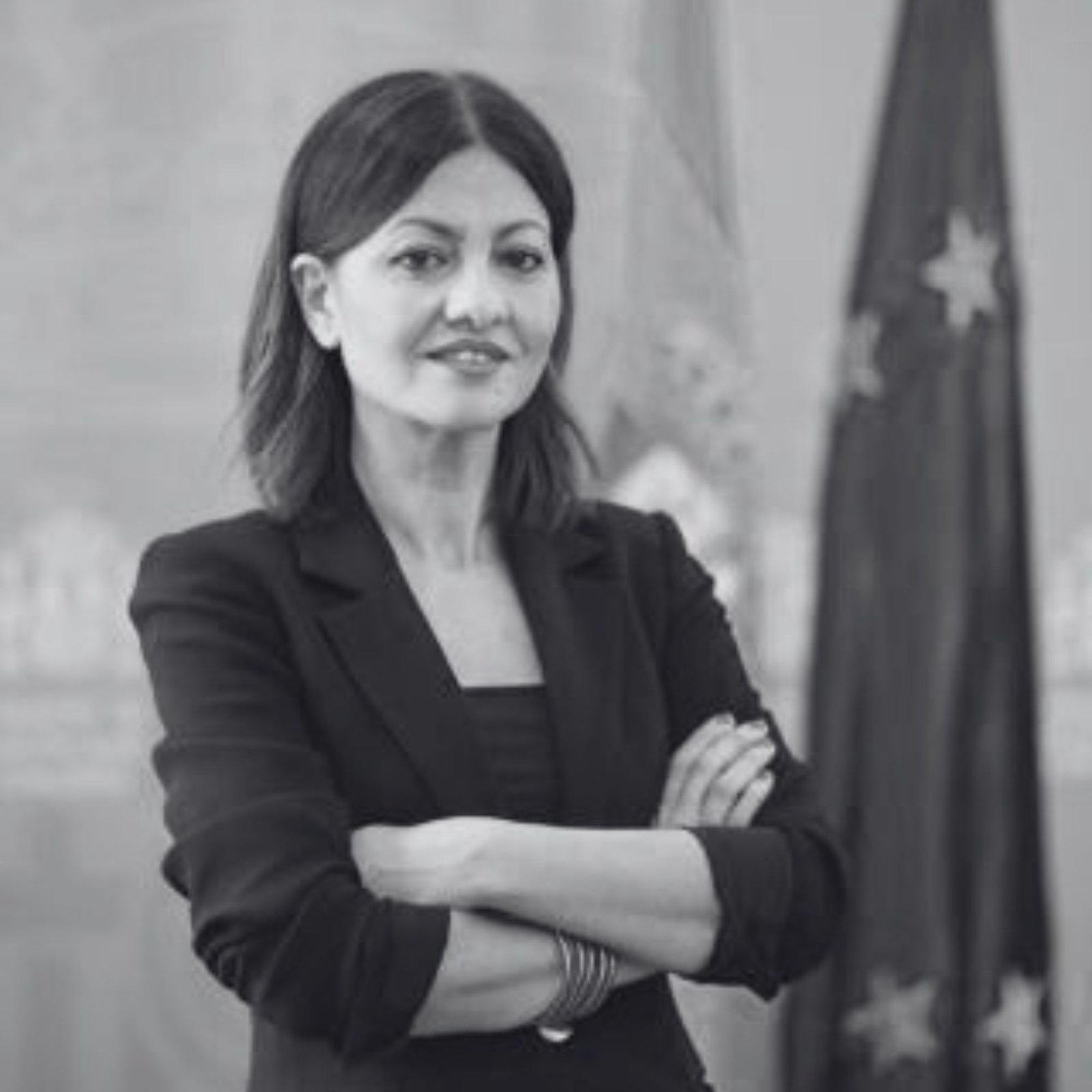
Sira Rego Ministry of Youth and Childhood. Government of Spain
Minister of Youth and Childhood of the Government of Spain since November 2023. Born in Valencia in 1973, she was a Member of the European Parliament between 2019 and 2023, where she sat on the Committee on Industry, Research and Energy and the Committee on Petitions, and served as an alternate on the Committee on Civil Liberties, Justice and Home Affairs.
She previously served as deputy mayor and councilor for Housing, Environmental Sustainability, Urban Mobility, and Public Safety in Rivas-Vaciamadrid (2007-2019). She is affiliated with Izquierda Unida.
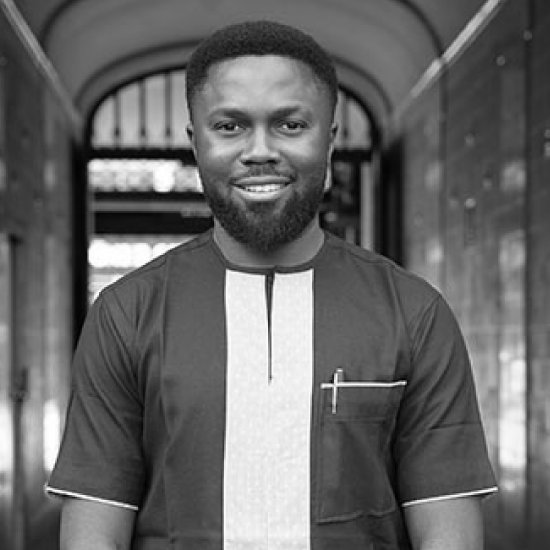
Philip Obaji, The Daily Beast
Correspondent for The Daily Beast based in Nigeria. A longtime freelancer, Obaji has reported for Al Jazeera, The Guardian, USA Today, Foreign Policy and Thomson Reuters Foundation, among other outlets. He covered the Boko Haram insurgency in northern Nigeria, human rights abuses in West and Central Africa, and the trafficking of uprooted people in the two regions.
He´s the winner of 2025 International Center for Journalists Knight International Journalism Award for his reporting on massacres, rape and torture at the hands of Wagner Group in Central and West Africa, where he documented up to 100 human rights abuses and exploitation by Russian paramilitaries. He also won the 2024 Homo Homini Human Rights Award, the 2023 One World Media International Journalist of the Year award, and the 2022 Jaime Brunet International Prize for the Promotion of Human Rights.
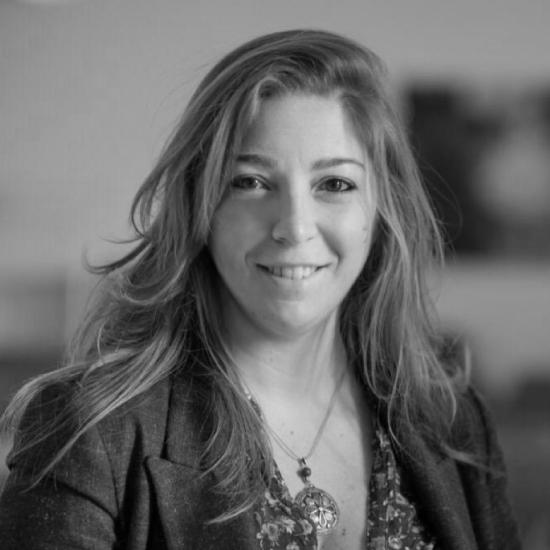
Sara Creta
Award-winning photojournalist and documentary filmmaker with extensive experience of investigating violations of the human rights of migrants. Over the past years, she documented on-the-ground conditions in forced migration situations, border crisis and cultures in transition.
Her works have been published in the BBC, The New York Times, Al Jazeera, Euronews, ARTE, ZDF, The New Humanitarian and others, and have been recognized at numerous festivals across Europe and beyond.
She has been working in the field with Médecins Sans Frontières (MSF) in humanitarian contexts like Libya, Chad, Democratic Republic of Congo and Bangladesh. In 2016, as part of MSF’s campaign to highlight the deadly routes refugees and migrants are taking to Europe, she spent 4 months on a search and rescue vessel in the Mediterranean Sea.
Her works include ´Libya: No Escape from Hell´ (ARTE), where she delved into the violent logic of migrants detention and disappearance, ´The Battle for the Nile´, a filmic journey along contested waters in Ethiopia and Egypt, and ´Death on the Border´ (BBC Africa Eye), a forensic visual investigation into the massacre at the border of Melilla (Spain) and Nador (Morocco).
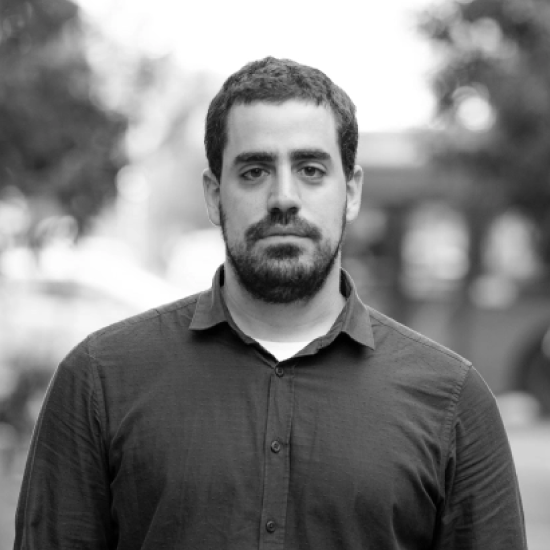
Stavros Malichudis, Solomon
The editor in chief of Solomon, a leading Greek investigative journalism outlet committed to producing public interest reporting. He also freelances as a reporter focusing on migration and human rights, among other topics.
His works were published in media outlets such as AFP, BBC, Der Spiegel, El País, The Guardian, openDemocracy and infoLibre. Over the past several years, he has been involved in multiple cross-border investigations, collaborating with Lighthouse Reports and Investigate Europe. His investigations explored the misuse of tens of millions of EU funds; documented cases of pushbacks in Greece; and the concealed involvement of far-right Greek ‘volunteers’ in the Srebrenica massacre, among other topics.
Findings of investigations he contributed to have been cited in the Greek and European Parliaments, referenced by the US State Department and Greek independent authorities, and have resulted in judicial proceedings and the imposition of fines.
His work has been recognized with multiple awards. He’s the winner of the Daphne Caruana Galizia Prize of the European Parliament (2023), the runner-up for the European Press Prize (Migration Category, 2024) and the winner of the IJ4EU Impact Award (2022, 2024).
Mark Townsend, The Guardian
Senior reporter at the Guardian covering international politics, inequality and human rights.
He has worked for The Guardian and The Observer for almost 25 years, covering many of the world’s major stories and conflict zones, most recently Sudan. His work has been recognized by multiple awards. His coverage of suicide in EU migrant deportation centers, among other topics, made him the News Reporter of the Year at the Society of Editors Press Awards (2017). He also won the Orwell Prize for Exposing Britain’s Social Evils.
Most recently he was the runner up of the 2025 European Press Prize and the 2025 Orwell Journalism Prize for his investigation ‘The brutal truth behind Italy’s migrant reduction: beatings and rape by EU-funded and UK-backed forces in Tunisia’, along with his pieces on conflict in Sudan and the Democratic Republic of Congo.
He´s the author of ‘No Return: The True Story of How Martyrs Are Made’, a book that provides a unique insight into a hidden Britain and is based on true events around youth radicalization.
José Luis Sanz
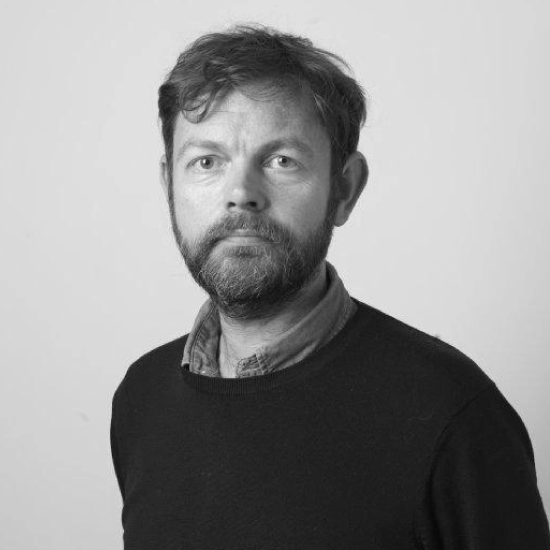
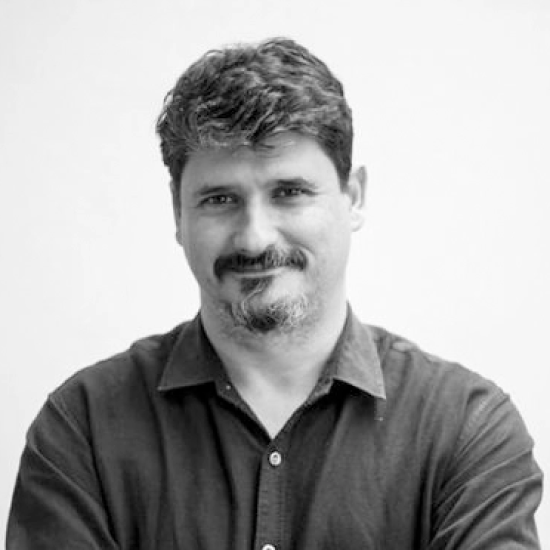
Salvadoran freelance journalist based in Washington, DC. Formerly director and correspondent in Washington, DC for the digital newspaper El Faro, where he worked for over 20 years. Founding member of Black Room (Sala Negra), an investigative team specializing in organized crime and violence in Central America. His chronicles have been published in ‘Jonathan has no tattoos’ (2009), ‘Black Chronicles. From a region that does not count’ (2013), and in the anthology ‘TerrorZones: Gewalt und Gegenwehr in Lateinamerika’ (2015).
He was part of the teams that received the Latin American Award for Investigative Journalism in 2013 and the Gabriel García Márquez Award for Excellence in 2016.
Mª Ángeles Fernández, Pikara Magazine
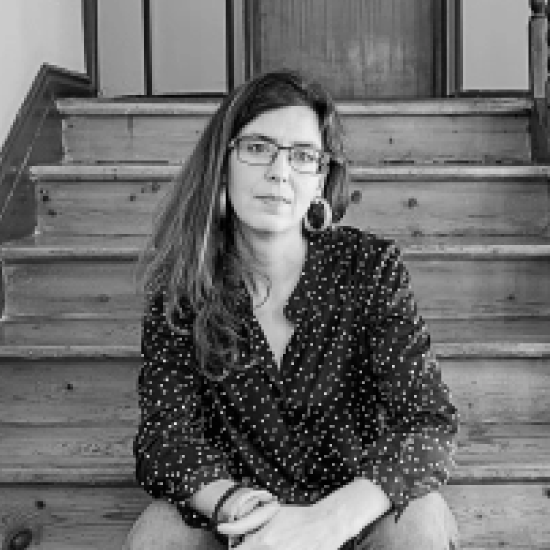
Spanish journalist. Since 2016 she is the coordinator of Pikara Magazine, a Spanish digital magazine pioneer in the dissemination of feminist theory and practice. She is co-creator of Desplazados.org, a journalistic project that focuses on movement as a virtue. She is a specialist in international information and has a master’s degree in Globalization and Development. Co-author of the book ´Memorias Ahogadas´ (´Drowned Memories´), an immersion into the stories of those who, in various parts of Spain, had to leave their lives behind due to the construction of a dam.
Her works have been published in El País, eldiario.es, Público, El Confidencial, Tiempo, Cambio 16, La Marea, Otramérica, ABC and other media outlets. She has also co-authored the books ‘Climate emergency’ (2021) and ‘Drowned Memories’ (2024). Her journalistic career was recognized with the Joan Gomis Award.
Vania Pigeonutt
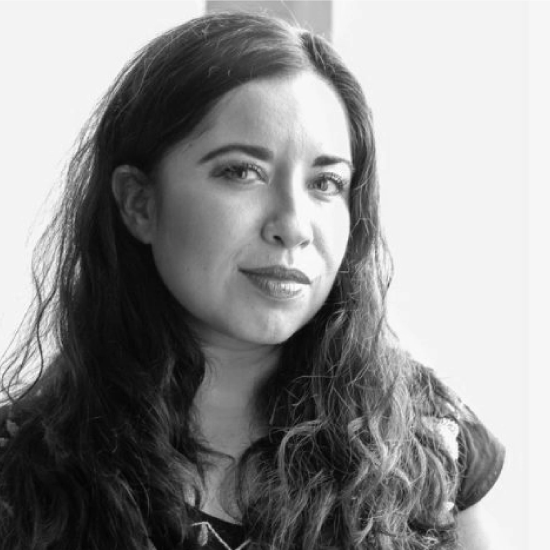
Mexican journalist exiled in Germany, specializing in organized crime, forced disappearances, gender, Mexican indigenous areas and the global south, and freedom of expression. She is co-founder of counter-narrative projects and of Matar a Nadie (Kill No One), a feminist project on freedom of expression, which led to the creation of the network Compañeras en Guardia.
Pigeonutt was the first woman to go alone into the poppy fields, the raw material for heroin and other opiates, to report on the topic. In 2015, she won the Walter Reuter German Journalism Award. Her coverage of the forced disappearance of the 43 students from Ayotzinapa stands out as one of her most in-depth works. She is part of Marchando con Letras (Marching with Letters), the collective that authored ´Ayotzinapa: The Journey of the Turtles´ (2016), and has worked as a fixer and collaborated with media such as El Universal and Pie de Página.
Marie Louise Ndiaye
A Senegalese journalist specializing in migration and justice. After a 13-year career, in 2023 she left her position at Senegal’s largest private group (Groupe Futurs Médias) to make a documentary on irregular migration, conducting research in Senegal, Spain and France.
Passionate about research and reporting, she has traveled throughout Senegal and other African and European countries, including the island of Lampedusa (Italy), one of the arrival points for migrant boats and a large marine cemetery.
In her documentary series ´In the Footsteps of the Migrant´, Ndiaye investigates the Canary Islands route, addressing the reasons that lead people to migrate and the dangers they face along the way (2024), the reality upon their arrival in the Canary Islands (2025), and finally their life in Europe (still in progress).
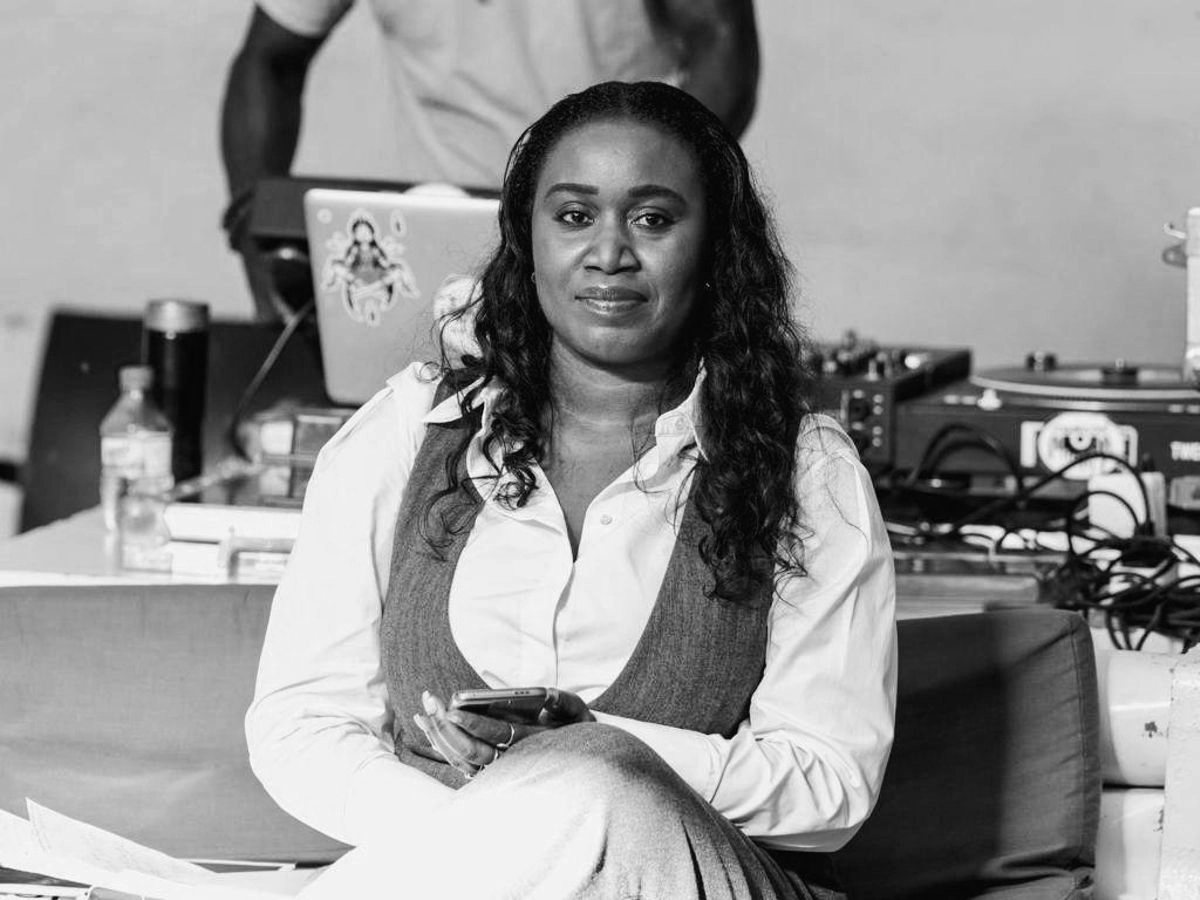
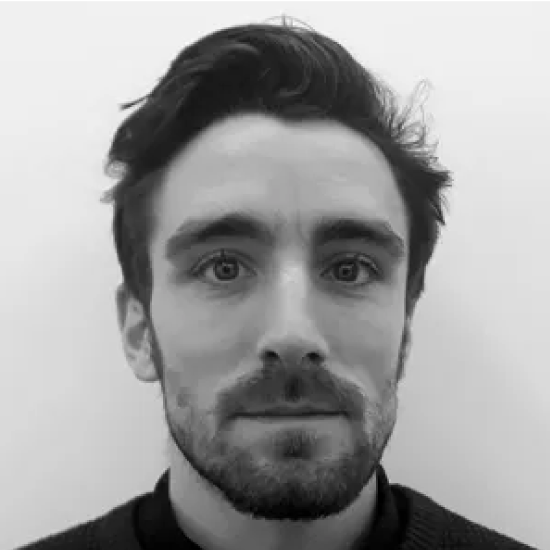
Chris Jones, Statewatch
Executive Director at Statewatch, a non-profit organization that produces and promotes critical research, policy analysis and investigative journalism with a focus on migration to strengthen debates, movements and campaigns on civil liberties, human rights and democratic standards.
Jones has been working for Statewatch since 2010, specializing in issues relating to policing, migration, civil liberties, privacy, data protection and security technologies. He has written for Politico Europe, EUobserver, OpenDemocracy and Público, among others.
Dúnia Camps-Febrer, Centro Delàs
Researcher at the Delàs Center for Peace Studies and the Observatory for Human Rights and Business in the Mediterranean. She´s PhD in Public Policies and International Relations and political scientist specializing in the Mediterranean region. She has worked in development cooperation with social and human rights networks and movements in several countries in North Africa and the Middle East. Her focus is on the role of militarism in North Africa and the Middle East. She is an associate professor at the Autonomous University of Barcelona and Blanquerna – University Ramon Llull.
She´s the co-author of the report ´Mass Surveillance in the Maghreb and Mashreq: a critical analysis to protect civil society´ (2024), an analysis of how governments and companies of these regions use advanced digital surveillance technologies to control and repress civil society, with disproportionate impact on migrants and other groups.
Sara Aminiyan Llopis, Yemayá
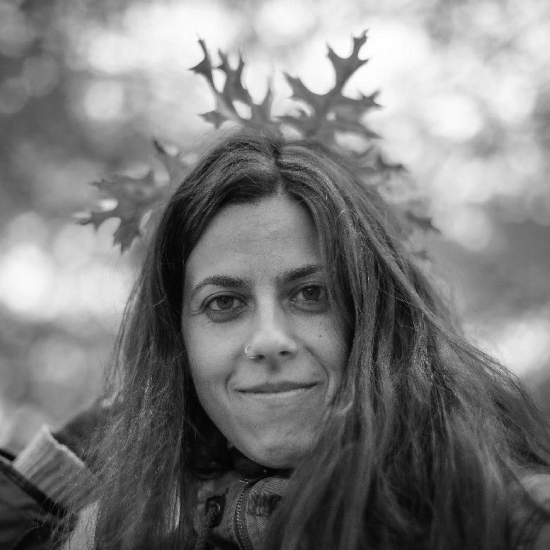
Fotógrafa, documentalista y periodista, cofundadora de Yemayá Revista, medio enfocado en narrar los procesos migratorios y las vulneraciones de derechos humanos bajo una perspectiva de género interseccional.
Ha escrito sobre migraciones desde la mirada de las mujeres, las devoluciones en caliente en la frontera entre Grecia y Macedonia del Norte, así como sobre otros temas internacionales. Sus trabajos han sido publicados en El País, Diari ARA, Público, CTXT y El Salto, entre otros medios.
Martina Madaula Munt, Yemayá
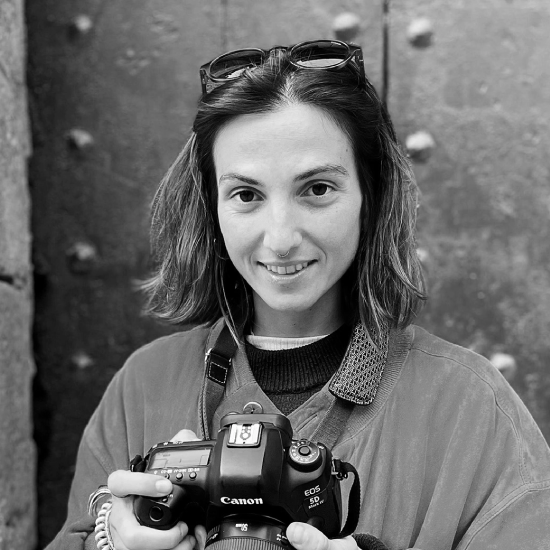
Photographer, documentary filmmaker and journalist, co-founder of Yemayá Journal, a media outlet that narrates migration processes and human rights violations from an intersectional gender perspective.
She has written about migration from the women´s point of view, pushbacks on the border between Greece and North Macedonia, and other international issues. Her works have been published in El País, Diari ARA, Público, CTXT, El Salto, among other media outlets.
Montserrat Domínguez
Veteran Spanish journalism. Throughout her career, she worked for media outlets such as Telecinco, Antena 3, and Cadena Ser, on programs such as ´Hoy por Hoy´ and ´A vivir que son dos días´. She served as head of content at Cadena Ser, where she was also responsible for news programs, magazines, web and original podcasts, strengthening media´s digital capabilities and exploring new original formats.
Previously, she worked as the editorial director of El Huffpost and as the deputy director of El País, where she additionally led the Sunday magazine El País Semanal. She has been recognized with the Antena de Oro Award and the Carmen Olmedo Checa Award, among others.
Maribel Izcue, 5W
Journalist, co-founder and editor-in-chief of 5W magazine. She has addressed the dynamics of migrant trafficking in Libya and the legal implications of ´pushbacks´ in the European Union. She is the co-author of the documentary The Gourougou Trial (2022), which follows the trial against Spain in the European Court of Human Rights for pushbacks at its border with Morocco.
She has spent much of her career in Asia, where she worked for a decade in the Philippines, India, and Japan as a correspondent for EFE news agency. From the Tokyo office, which she headed from June 2011 until her return to Spain in 2013, she covered the aftermath of the tsunami and the Fukushima nuclear crisis. She also worked on social and environmental issues, including the impact of pollution in Asian megacities. She has been a correspondent in Rome and published her works in media outlets such as El Periódico de Catalunya.

Sady Traoré
Young musician and composer from Mali. Instability, war and political persecution —for criticizing the regime’s corruption and authoritarianism in his music— forced him to leave his country and settle in Nouakchott, Mauritania´s capital. There he fell victim to border externalization, being abandoned twice in the middle of the desert by Mauritanian police forces. These operations were carried out with equipment supplied by the European Union and Spain through the FIPA, a Spanish government cooperation agency, and with the knowledge and collusion of the Spanish police forces deployed in the country.
Sady survived and decided to migrate to Spain. After a difficult journey, he reached the Canary Islands in January 2024. Since then, Sady has been surviving thanks to temporary jobs and is struggling to get an appointment to exercise his right to apply for asylum, unsuccessfully so far.
Cristina Sánchez Aguilar, Alfa y Omega
Journalist specialized in religious and social affairs, editor-in-chief of Alfa y Omega, a Catholic weekly news magazine. She has also been publishing her works in Cadena COPE and Trece for the past decade. She was in charge of the Master’s Degree in Social Journalism at CEU – San Pablo University and has worked in countries such as Nicaragua, Peru, and Malawi, as well as on the border between Slovakia and Ukraine.
She has been a news editor at Popular TV, a contributor to the weekly magazine Alba, a member of the Media Delegation of the Archdiocese of Madrid, director of the Communication Department of the Altius Foundation-Francisco de Vitoria University, and head of communication and volunteering at the Hispanic-Central American Center, as well as editor-in-chief of the annual magazine of the Madrid Food Bank, before joining Alfa y Omega in February 2010.
She received the Manos Unidas Journalism Award in 2011, the Lolo Award for Young Journalists in 2015, and the Ángel Herrera Oria Journalism Award in 2021.
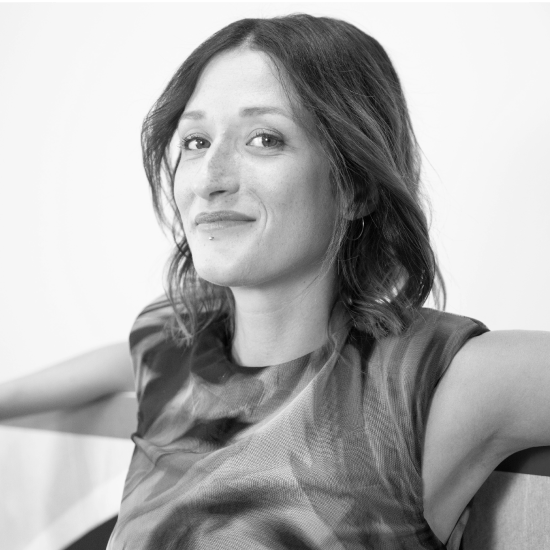
Violeta Muñoz Capilla, Carne Cruda
Co-host and scriptwriter for the radio program Carne Cruda, a podcast covering current affairs, counterculture, humor, and music. She was a reporter for Caiga Quien Caiga, on Mediaset España. She has contributed to media outlets such as El País and Público and platforms such as Tendencias Globales (Global Trends), by Thinking Heads. She was previously a journalist for ElBoletin.es.
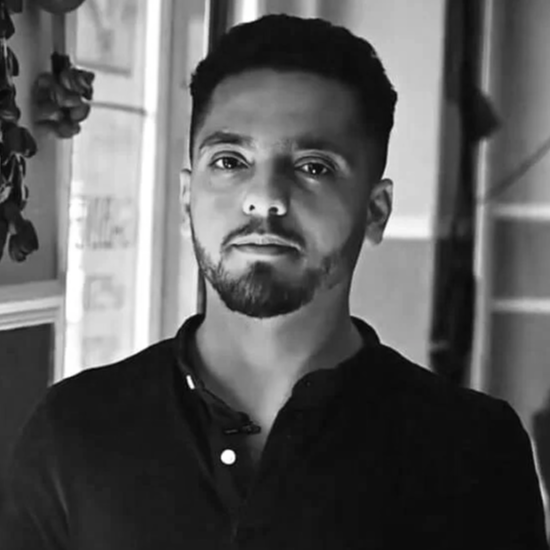
Okba Mohammad, Baynana
Syrian journalist and refugee in Spain. Co-founder of Baynana.es, the first Spanish and Arabic media outlet run by refugee journalists in Spain. He has been covering the war in Syria since he was 17 years old. He has experience in research and fact-checking.
He has collaborated with Spanish and international media outlets such as The Guardian, El País, eldiario.es, Al Jazeera, Maldita.es, The New Humanitarian, and 5W, specializing particularly on issues related to Syria and migration along the Mediterranean route.
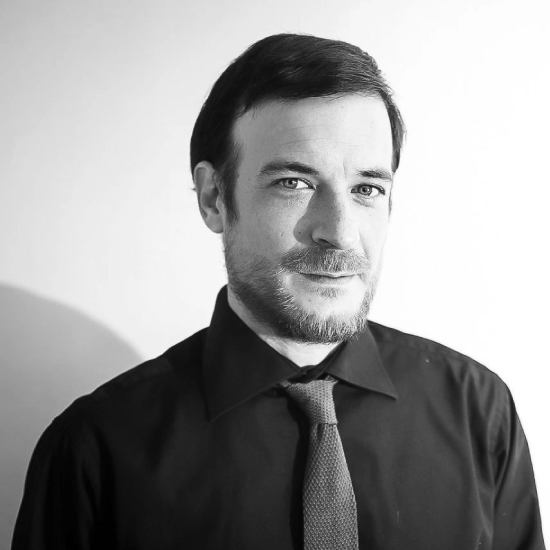
Enrique Andrés-Pretel, El Confidencial
International Editor in Chief at El Confidencial and a journalist specialized in politics and economics with experience of reporting from more than 20 countries.
Prior to his arrival at El Confidencial, for almost 15 years he worked for Thomson Reuters, first in Spain and later as a senior correspondent covering Venezuela, Ecuador and Bolivia, and as a chief correspondent for Central America. Enrique has covered everything from coups d’etat and economic crises to street protests and major elections.
Isabella Carril Zerpa, porCausa
Venezuelan investigative journalist based in Madrid. Her work focuses on migration and human rights and has been published in media outlets such as Público and El Confidencial. Since 2021, she has been collaborating with the porCausa Foundation, investigating the migration control industry and border externalization. In 2024, she was a guest contributor to the Pulitzer Center.
She has covered the stories of the Melilla massacre survivors and the criminalization of migration along the Mediterranean route, as well as the transfer of technology and equipment from the Spanish Ministry of Foreign Affairs’ international cooperation agency to African regimes to curb migration to Europe, among other topics.
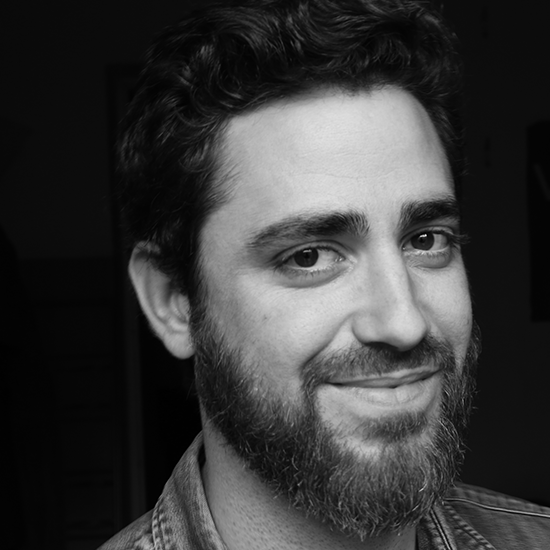
José Bautista, Fundación porCausa
José Bautista is an investigative journalist specializing in migration and borders. He is the coordinator of investigative journalism at porCausa Foundation, where his work focuses on the Migration Control Industry and border externalization. He also works for The New York Times and the German weekly Der Spiegel.
Bautista has collaborated with or been part of outlets and organizations such as Agencia EFE, La Marea, The Washington Post, The Wall Street Journal, Folha de São Paulo, Lighthouse Reports, Al Jazeera, eldiario.es, Público, El Confidencial, El País, OCCRP and ECLAC, among others. He holds a dual master’s degree in economics from the Sorbonne University and ESCP Business School in Paris.
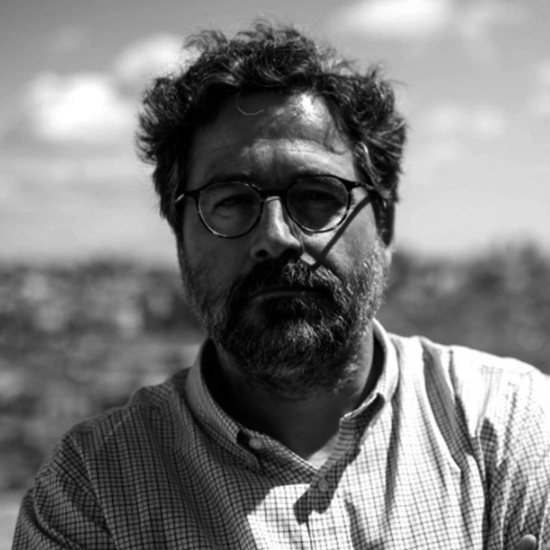
Gonzalo Fanjul, Fundación porCausa
Expert on poverty and development. Head of Research and co-founder at porCausa Foundation and Policy and Development Director at Barcelona Institute of Global Health (ISGlobal). Editor of El País’ 3.500 Millones blog.
Previously, he was Director of Research and Senior Strategic Advisor at Intermón Oxfam and Oxfam International. He has published numerous analyses in the fields of global health, international migration, food security, trade and development aid.
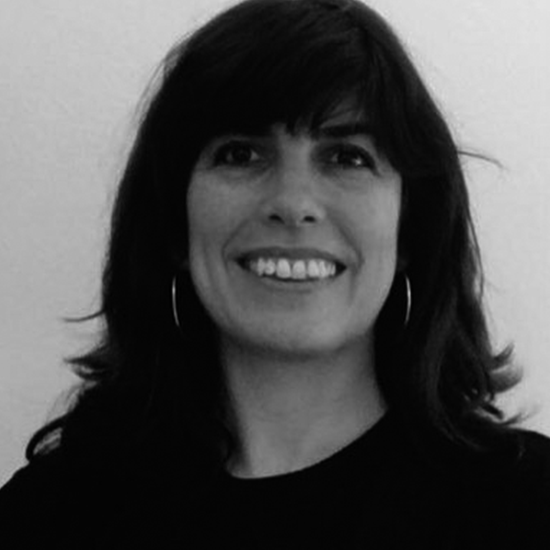
Lucila Rodríguez-Alarcón, Fundación porCausa
Agricultural engineer and specialist in crisis management. General Director of porCausa Foundation. She began her career in Brussels managing a lobbying consultancy. She has been Director of Public Affairs for Weber Shandwick and has directed communications for Oxfam Spain. She was the communications director of the Madrid City Council under Manuela Carmena´s term in office. Columnist for Público´s section on migration and a member of the jury of the European Press Prize. Director of the New Migratory Narratives essays and co-author of the ´Narratives of Love´.
Ngone Ndiaye, Fundación porCausa
A freelance journalist based in Madrid, she conducts research at the porCausa Foundation. Her work focuses on Africa, migration routes, the migration control industry, and human rights. She is also a guest contributor to the Pulitzer Center and was awarded the Africa Mundi Prize for Best Junior Journalist. She has previously worked at La Sexta Noticias and eldiario.es.