


Speakers 2026
Discover the speakers of this edition
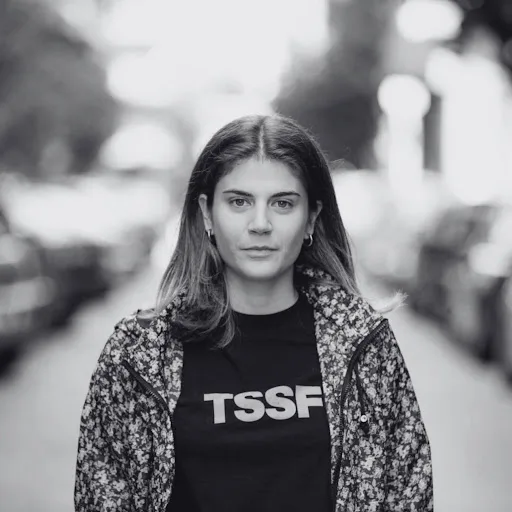
Iliana Papangeli, Solomon
Journalist and Managing Director of Solomon, an internationally recognized investigative outlet based in Greece known for its in-depth reporting on migrations, accountability and the environment. She has been nominated for the European Press Prize (2021) and awarded the IJ4EU Impact Award (2022) and the Daphne Caruana Galizia Prize.
Her work has appeared in The New Humanitarian, Balkan Insight, Der Tagesspiegel and openDemocracy, among others. She has served as a juror for the Evens Journalism Prize (2021) and the IJ4EU Impact Award (2023), and is a 2024 alumna of Columbia University’s LEDE program.
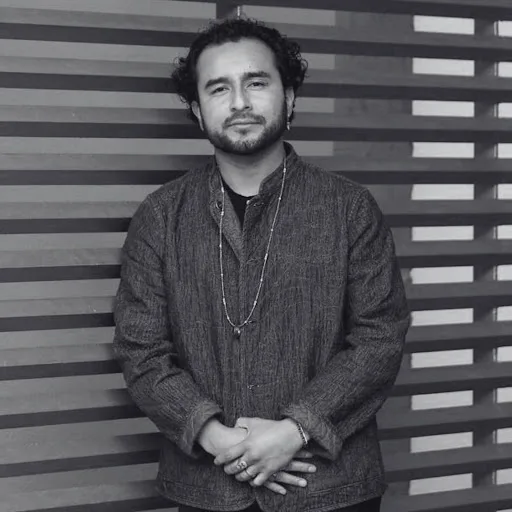
Javier Zamora, Solito and Unaccompanied
Salvadoran poet and writer whose work is shaped by his own migration experience: at age nine he traveled alone from El Salvador to the United States in search of his mother, an odyssey he recounts in his memoir Solito (Random House, 2024), which made The New York Times Best Sellers list.
His debut poetry collection, Unaccompanied (Copper Canyon Press, 2017), explores similar themes. He has received the 2024 Whiting Award and the 2022 LA Times–Christopher Isherwood Prize, along with fellowships from Stanford University, Harvard University and the National Endowment for the Arts. He lives in Tucson, Arizona, where he works with Salvavision.
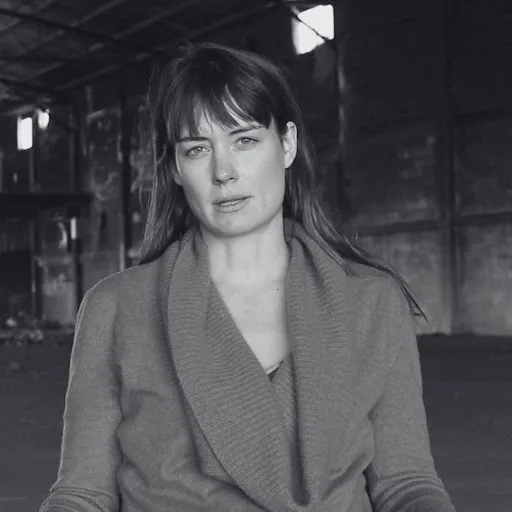
Alice Driver, Independent Journalist
Award-winning investigative journalist, recipient of a James Beard Award. She is a journalist at The Beam, the investigative newsroom of the Howard Center for Investigative Journalism.
She is the author of Life and Death of the American Worker: The Immigrants Taking on America’s Largest Meatpacking Company (One Signal Publishers, 2024), which won the Lukas Work-in-Progress Prize from Columbia Journalism School and the Nieman Foundation, and was a finalist for the 2025 Brooklyn Library Prize. She is also the author of More or Less Dead (2015). Her writing has appeared in The New Yorker, National Geographic and CNN, among others. She holds a PhD from the University of Kentucky and completed a postdoctoral fellowship at UNAM. In 2023 she won a James Beard Award for investigative reporting with the Civil Eats team.
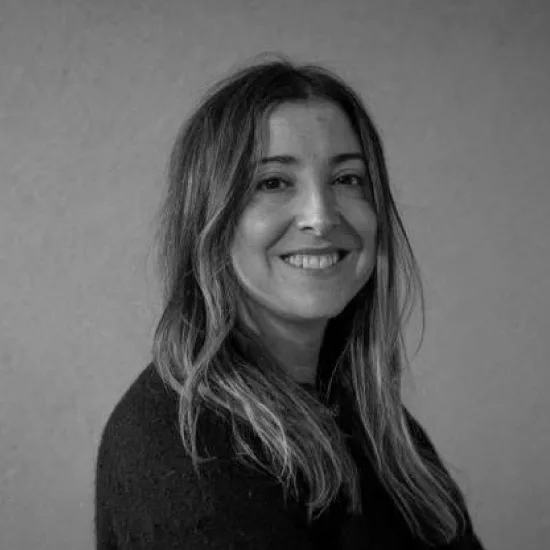
Gabriela Sánchez, elDiario.es
Journalist, head of the Desalambre section, elDiario.es’s space specializing in human rights and migration. From Madrid, she covers Spanish migration policy and its consequences.
As a special correspondent, she has covered migration and refugee movements in Morocco, South Sudan, El Salvador, Ecuador, Mexico, Honduras, Cameroon, Italy, the Central Mediterranean and Spain’s southern border, among other places. One of the most notable pieces of her career is her coverage of the Tarajal massacre. She previously worked at elmundo.es and at Onda Cero in Madrid and Pontevedra.
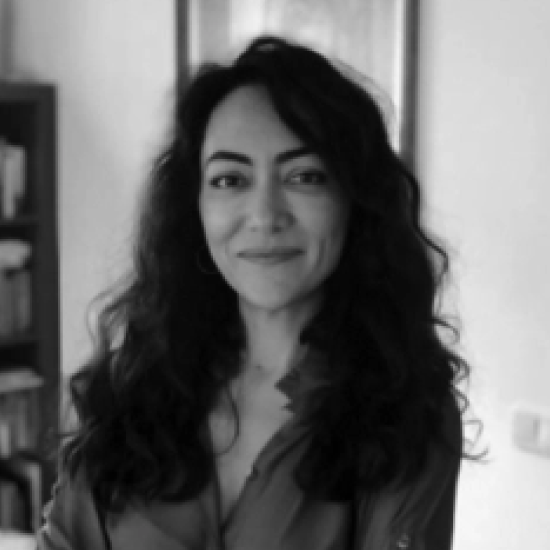
Şebnem Arsu, Der Spiegel
Turkey-based investigative journalist with more than 20 years of experience covering the region. She is a correspondent for Der Spiegel and a member of The Black Sea Foundation, an independent nonprofit platform specializing in in-depth narrative journalism and investigations on Turkey and Southeast Europe.
She opened the Turkey bureau for Associated Press Television in 1996 and became the first Turkish correspondent for The New York Times, reporting for the paper for 15 years. Her work has also appeared in The Independent and POLITICO. She is a member of the European Press Prize Preparatory Committee and of the Turkish board of the International Press Institute.
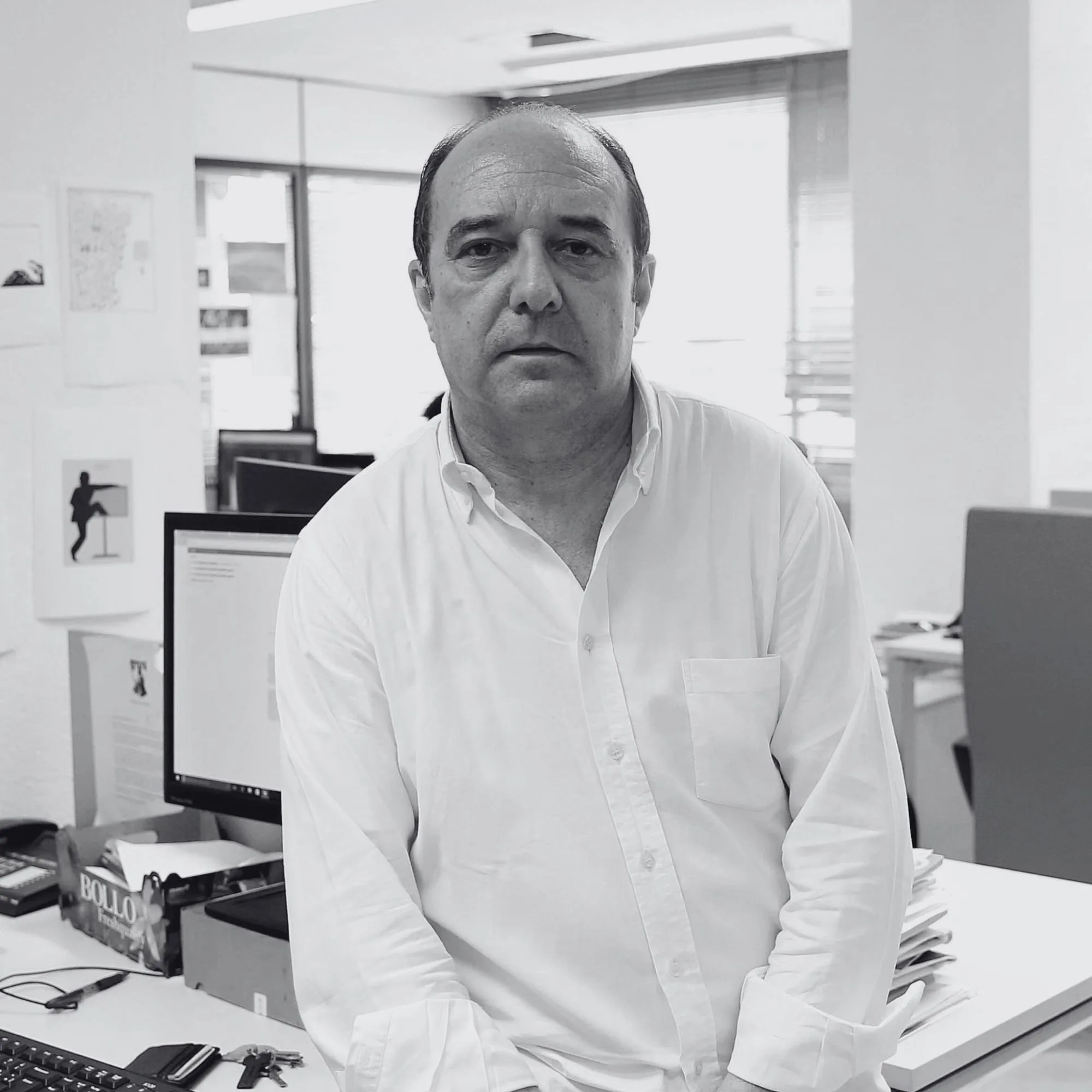
Jesús Maraña, InfoLibre
Journalist and editorial director of infoLibre, a digital outlet he launched in 2013 with former colleagues from Público and other journalists, which also gave rise to the print monthly tintaLibre.
He began his career at the newspaper Informaciones and continued at Spanish public broadcaster TVE and Antena 3 Radio. He has served as deputy editor of El Mundo, director of the magazines Interviú and Tiempo, and director of Público during its print era. A regular political analyst on radio and television, he has contributed to La Sexta since its founding.
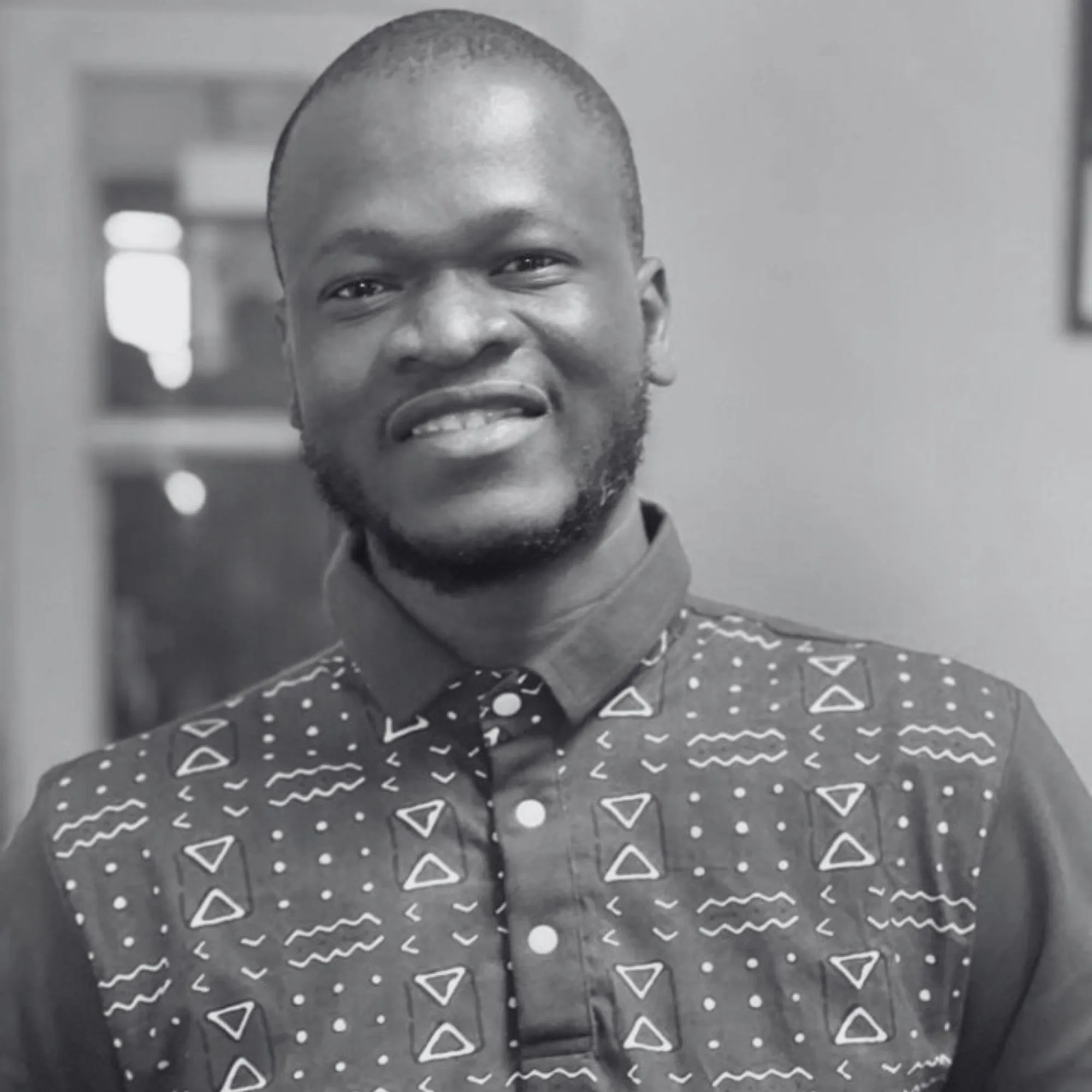
Salif Sakhanokho, PressAfrik
Senegalese journalist working at PressAfrik.com, specializing in coverage of migration, for which he has received two awards in recent years: one from the International Organization for Migration and another from the Association of Journalists Specialized in Migration and Security.
A journalism graduate, before joining PressAfrik he worked at the Alerte-Info agency.
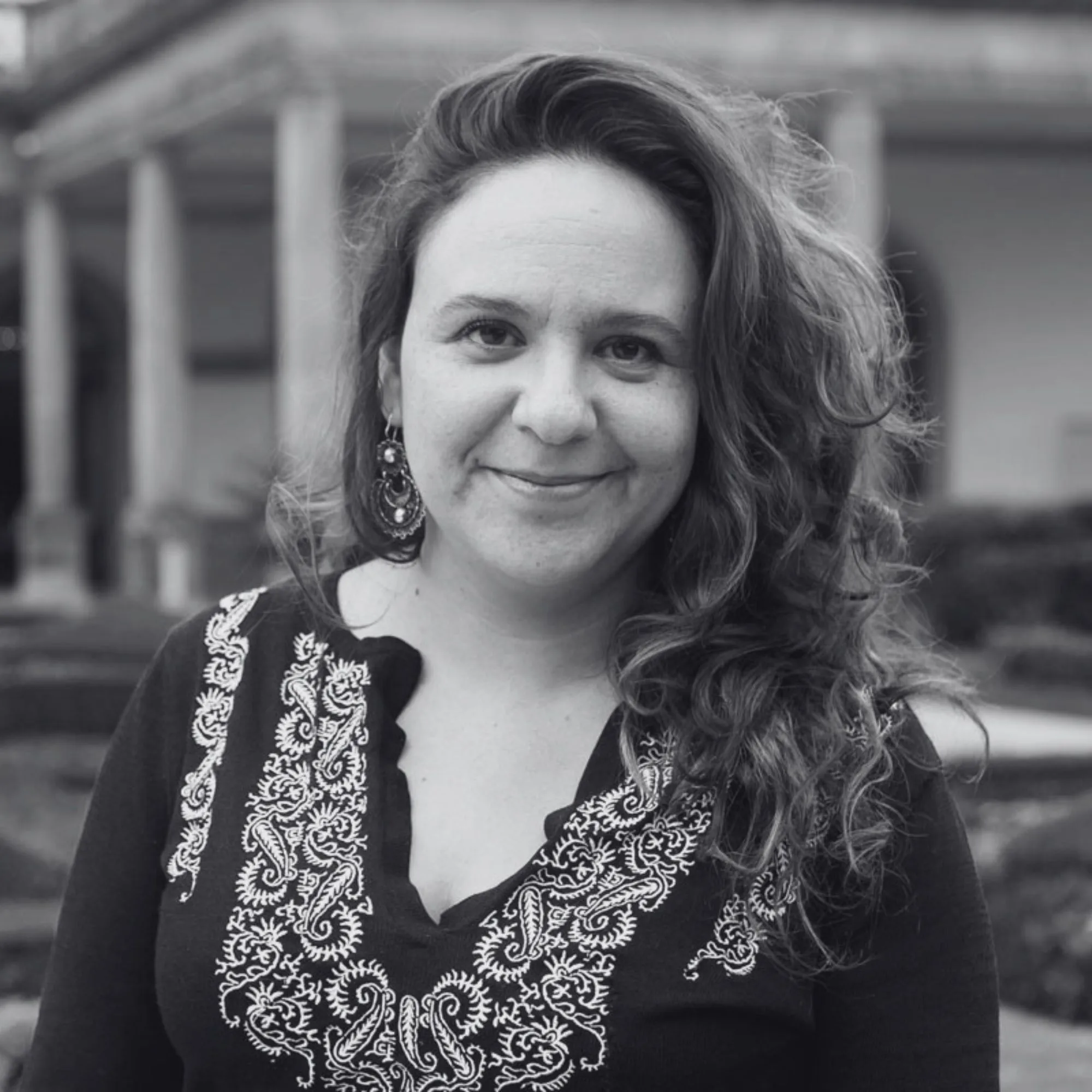
Marcela Turati, Quinto Elemento Lab
Mexican journalist specializing in human rights. Since 2000 she has covered forced disappearances and the impacts of narco-violence. She was a reporter for Proceso magazine and is co-founder of the Periodistas de a Pie network and of Quinto Elemento Lab, an investigative journalism lab where she coordinates the project “Where Are the Disappeared.”
She is the author of Fuego Cruzado and co-author of several collective books. She has received Columbia University’s María Moors Cabot Prize, the Walter Reuters Prize, the Nieman Foundation’s Louis M. Lyons Award and the WOLA Human Rights Award, among others. On September 10, 2026, she was named, alongside Siddharth Varadarajan, winner of EL MUNDO’s International Journalism Prize in the Best Journalistic Work category, to be awarded in February 2027. She is a member of the Nuevos Cronistas de Indias group, the ICIJ, and PEN México.
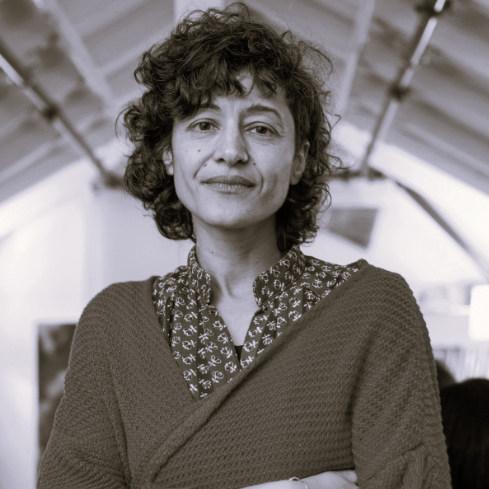
Sarah Babiker, El Salto Diario
Journalist and anthropologist from Madrid, born in 1979. She is a journalist at El Salto, where she covers migration, basic income and social inequality, among other topics. A graduate in Social and Political Anthropology from FLACSO, she has lived in Italy, Morocco and Argentina, where she co-founded the organization Comunicación para la Igualdad.
She is the author of the novel Café Abismo (La Oveja Roja) and the essay La nada fértil (Continta Me Tienes), and also contributes to outlets such as CTXT and Tribuna Feminista.
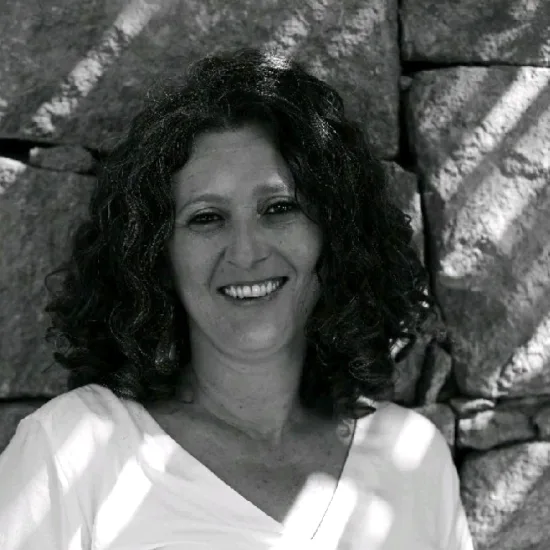
Dounia Z. Mseffer, Moroccan Network of Migration Journalists
Moroccan journalist, president of the Moroccan Network of Migration Journalists (RMJM) and a contributor to the Moroccan outlet ENASS. Her work focuses on covering migration from the Global South, advocating for these countries to reclaim sovereignty over their own migration narrative in the face of external agendas that prioritize border control over human life.
She has taken part in international migration journalism gatherings and in initiatives supporting the families of missing migrants, in collaboration with associations such as AMSV.
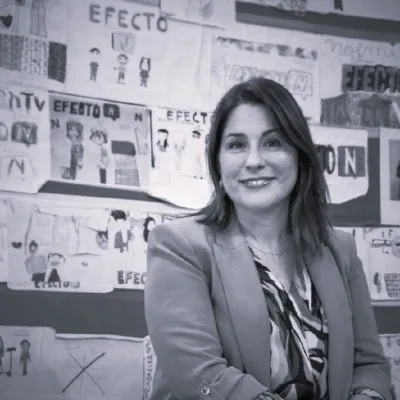
Mariana Hidalgo, TVN (National Television of Chile)
Chilean journalist with a degree in Social Communication from the Pontificia Universidad Católica de Chile and nearly 25 years of experience in television. She is Programming Director of TVV, the children’s and cultural channel of National Television of Chile (TVN), where her career has focused on creating educational and entertainment content for children.
In 2023 she received the “50 Genias” recognition, and in 2024 she was awarded the Anatel Prize for her career and contribution to Chilean television.
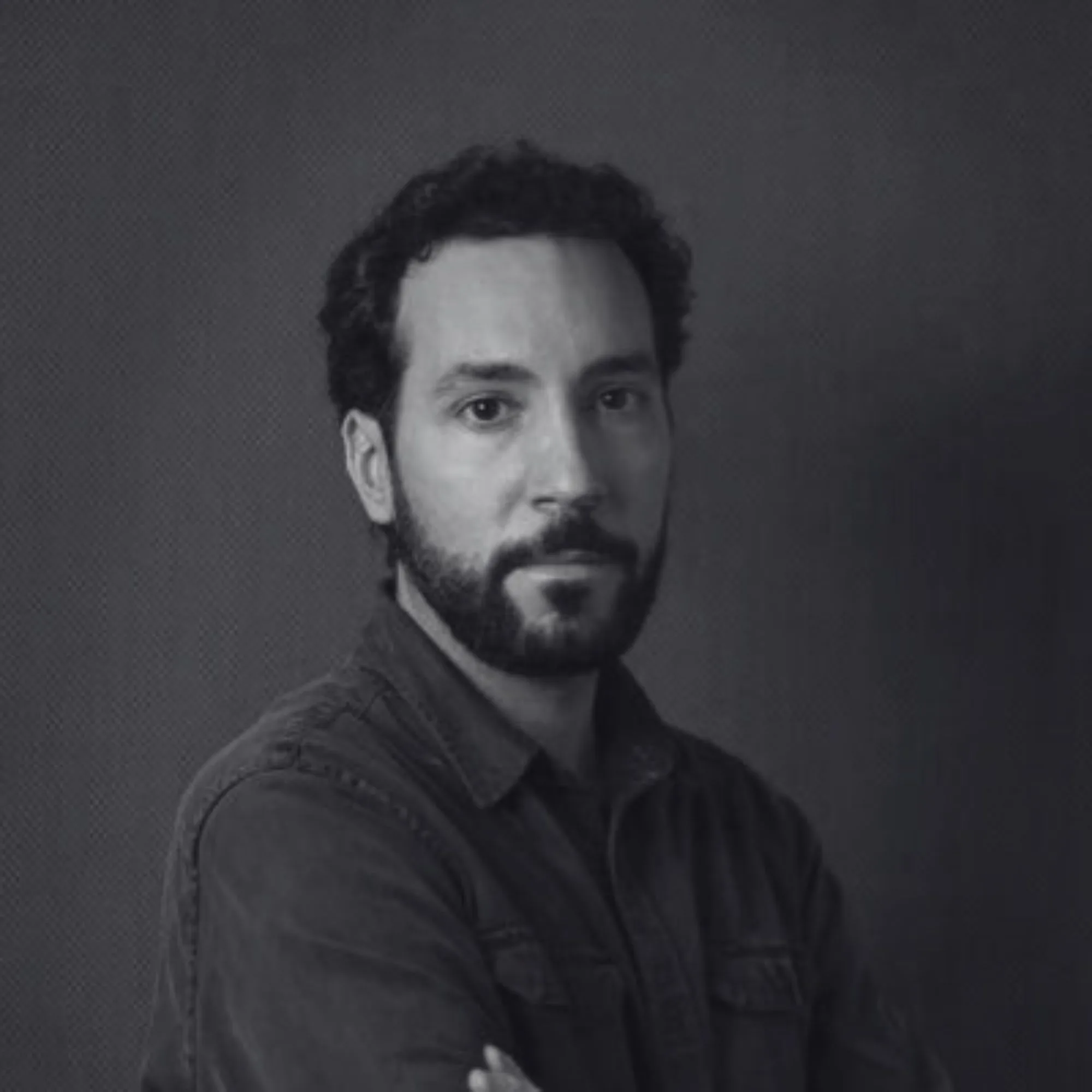
Juan Luis Rod, Independent photojournalist
Photographer and educator whose career has centered on human rights and the social realities of Africa and Latin America. He has worked for El Periódico and is a regular contributor to El País. His images have appeared in outlets such as The Guardian, Deutsche Welle, Internazionale, Fox News, The Brussels Times, El Mundo and Equal Times, among others.
He works with agencies including AFP, Anadolu Images and Getty Images, and has developed projects with organizations such as Médicos del Mundo, the Red Cross and Action Aid. He is co-founder of the SUMERGEte photography school and the WE ARE PHOTO collective.
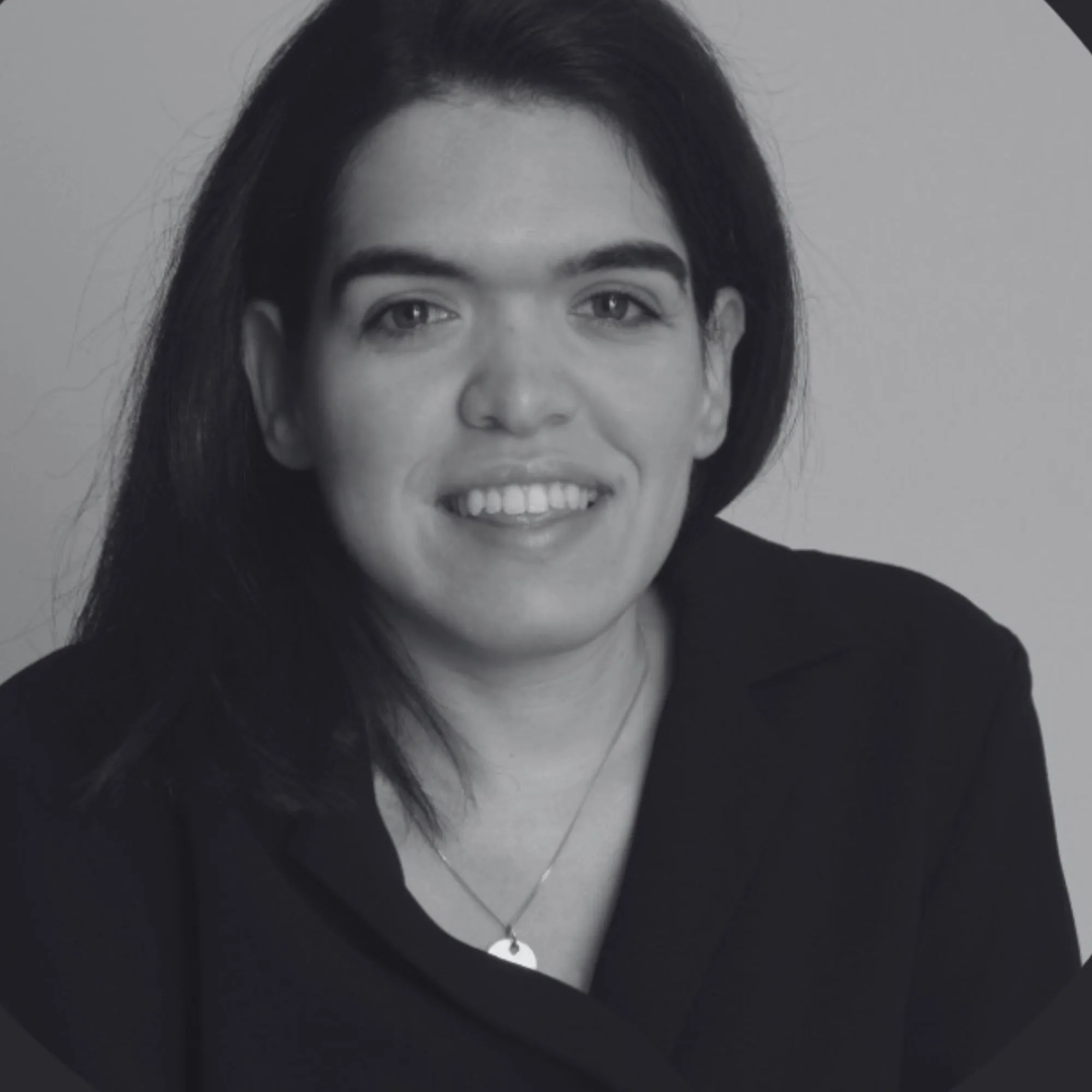
Mónica Parga, Vanity Fair
Editor-in-chief of Vanity Fair España. She studied Journalism at the Universidad Complutense de Madrid and completed a master’s at Columbia Journalism School on a Fulbright scholarship, interning at The New York Times.
She has contributed to El País, Vogue España, Fundación porCausa and Global Press Journal, an organization dedicated to training women journalists in hard-to-reach regions.
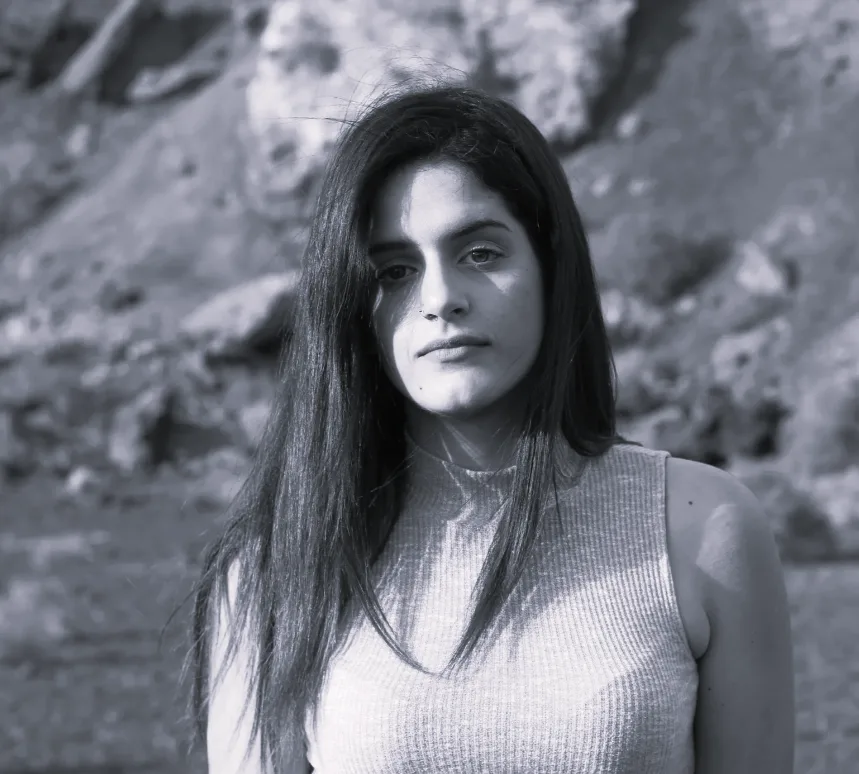
Natalia G. Vargas, Canarias Ahora
Journalist born in Lanzarote. A graduate in Journalism from the Universidad de La Laguna, with a Master’s in Human Rights, Democracy and Globalization from the Universitat Oberta de Catalunya. She has worked at Canarias Ahora — the first digital outlet in the Canary Islands, affiliated with eldiario.es — since January 2019, specializing in migrations and human rights.
She previously worked at La Opinión de Tenerife and conducted research on climate change in Senegal, Gambia and Cabo Verde. Her work applies a gender perspective to reporting on migrations and seeks to break stereotypes by giving migrants a direct voice.
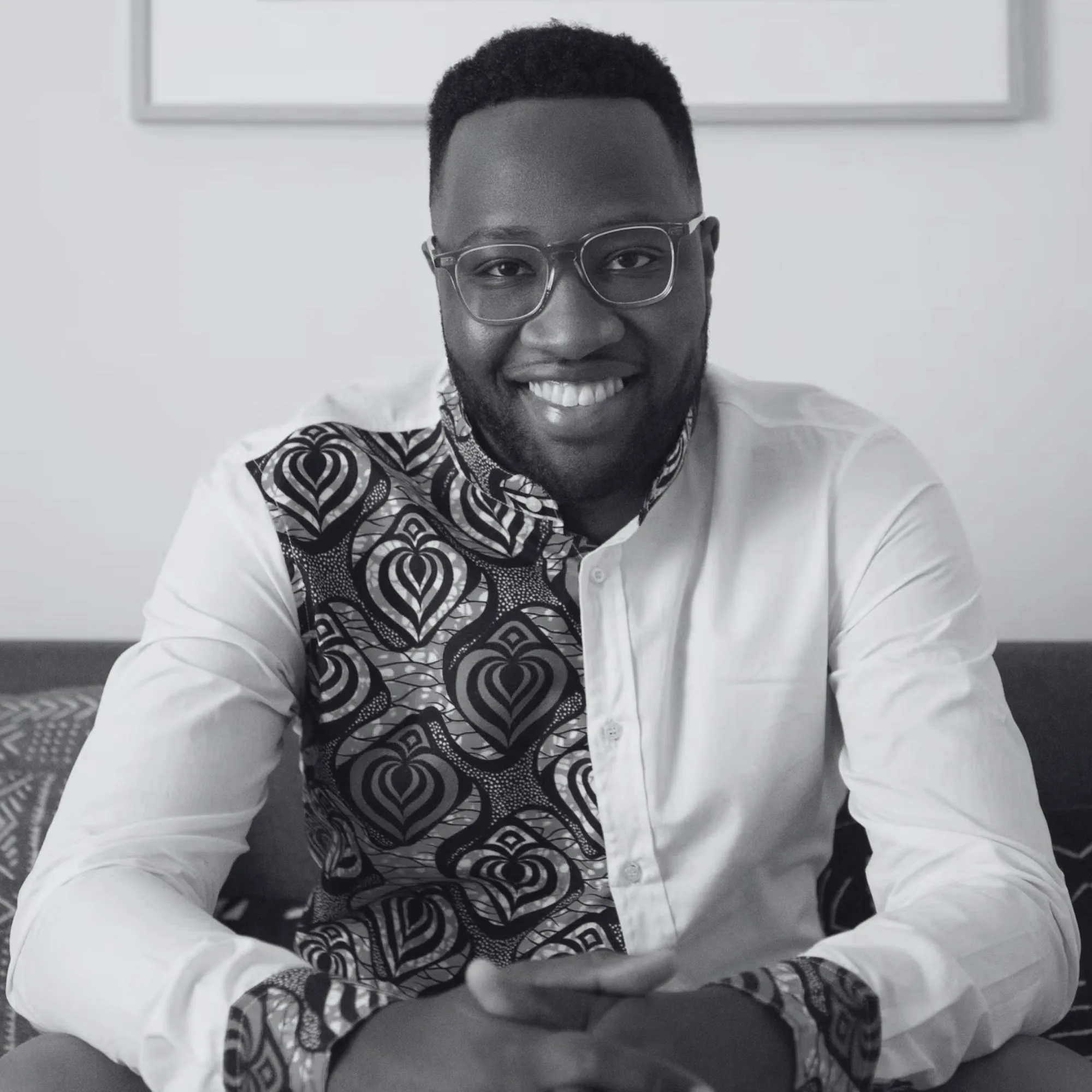
Moha Gerehou, Independent Journalist
Anti-racist journalist and member of Conciencia Afro. He has contributed to outlets such as TVE, Vogue, elDiario.es and Aragón TV, and is the former president of SOS Racismo in Spain.
He is the author of the book Qué hace un negro como tú en un sitio como este (Ed. Península) and creator of the play Infiltrado en Vox. He speaks and moderates panels on Diversity, Equity and Inclusion for social organizations, educational institutions and businesses.
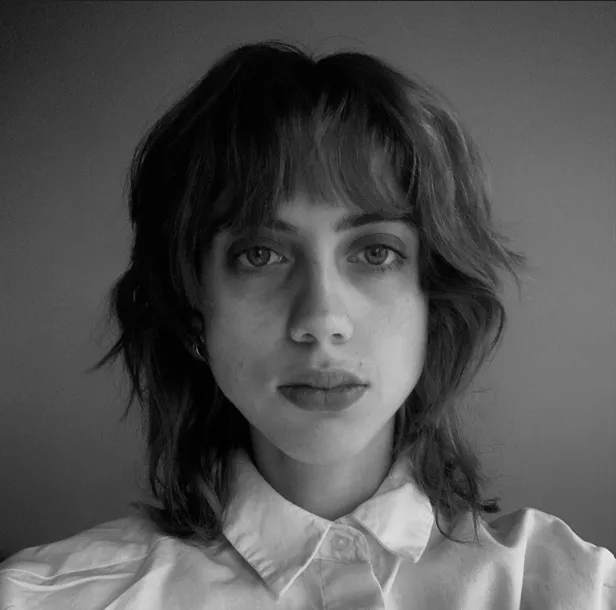
Corina Petridi, Solomon
Journalist and data editor at Solomon, an investigative outlet based in Greece. She has worked with VICE Greece, Reporters United, and the Balkan investigative network BIRN. She studied Political Science and in 2019 received a scholarship to Columbia Journalism School’s Lede Program on coding, data analysis and visual storytelling.
She has reported on migration, real estate, data privacy and gender. She was awarded the Daphne Caruana Galizia Prize (2023) and was a runner-up for the European Press Prize (2024) for a collaborative investigation into the Pylos.
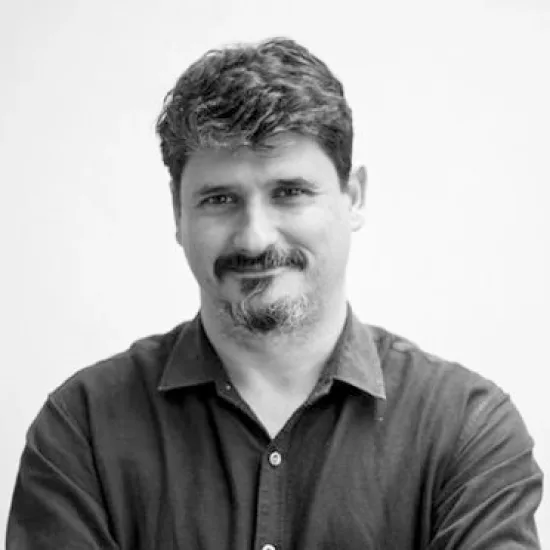
José Luis Sanz, Independent Journalist
Spanish journalist known for his extensive work in Central America. For more than two decades he was a key member of El Faro, one of the most awarded outlets in the hemisphere and a benchmark for investigative journalism in Latin America, where he served as director for seven years.
Under his leadership, El Faro expanded its international presence and received numerous accolades, including the Gabriel García Márquez Prize and Spain’s King of Spain Award. He later served as Washington correspondent and editor of El Faro English until his departure in July 2024. Prior to this, he was a founding member of Sala Negra, an investigative team covering violence, gangs and organized crime in Central America.
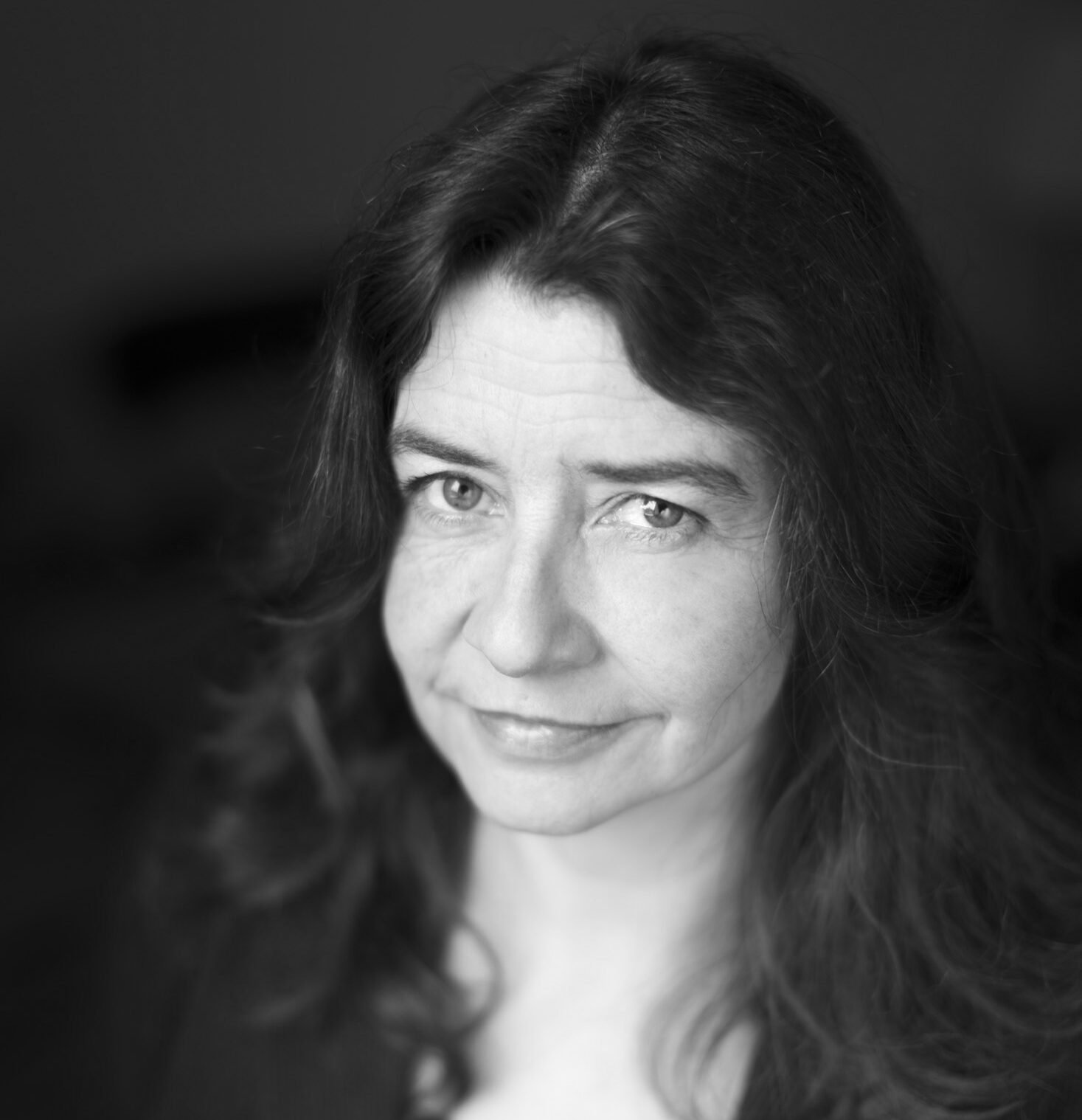
Ofelia de Pablo, Hakawatifilm
Filmmaker, journalist and photographer. In 2011 she co-founded, together with Javier Zurita, the production company Hakawatifilm, with which she has traveled to more than 70 countries documenting social, environmental and political issues. She directs and produces human rights and conservation projects for outlets including The Guardian, The New York Times, Channel 4 News, National Geographic and Der Spiegel.
Her work has been recognized at the Wildscreen International Festival for Sharing the Land, nominated for an Amnesty Media Award for Red Gold Slavery, and in 2024 received Spain’s Periodismo al Límite Award from the International Press Club, shared with Javier Zurita.
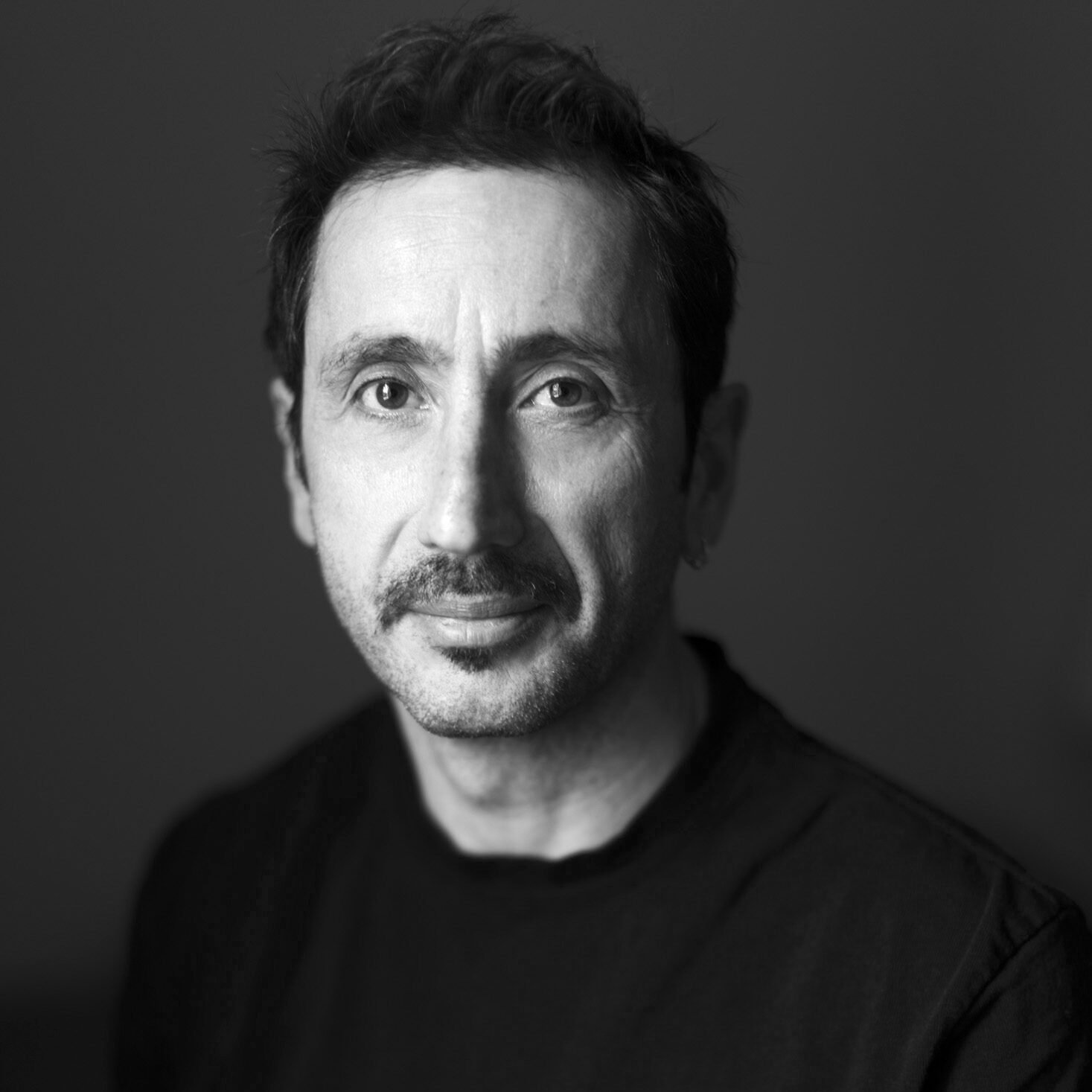
Javier Zurita, Hakawatifilm
Co-founder, together with Ofelia de Pablo, of the production company Hakawatifilm in 2011, with which he has social, environmental and political issues in more than 70 countries. As a filmmaker, journalist and photographer, he directs and produces human rights and conservation projects for outlets including The Guardian, The New York Times, Channel 4 News, National Geographic and Der Spiegel.
His work has been recognized with the Wildscreen International Festival award for Sharing the Land, a nomination for an Amnesty Media Award for Red Gold Slavery, and Spain’s Periodismo al Límite Award from the International Press Club in 2024, shared with Ofelia de Pablo.
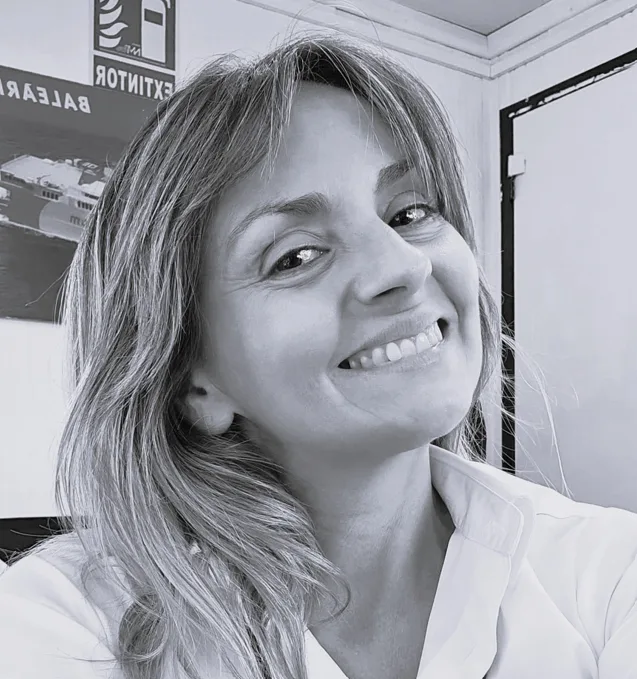
Paloma Fernández Coleto, Independent Journalist
Sociologist and journalist specializing in political, social and coexistence analysis on Spain’s southern border. She has built a notable career in Ceuta as editor and director of El Foro de Ceuta, now El Periódico de Ceuta.
Throughout her career she has focused on independent and local journalism from the border, informational rigor in contexts of vulnerability, and reporting on human rights, coexistence and cultural diversity along Europe’s borders.
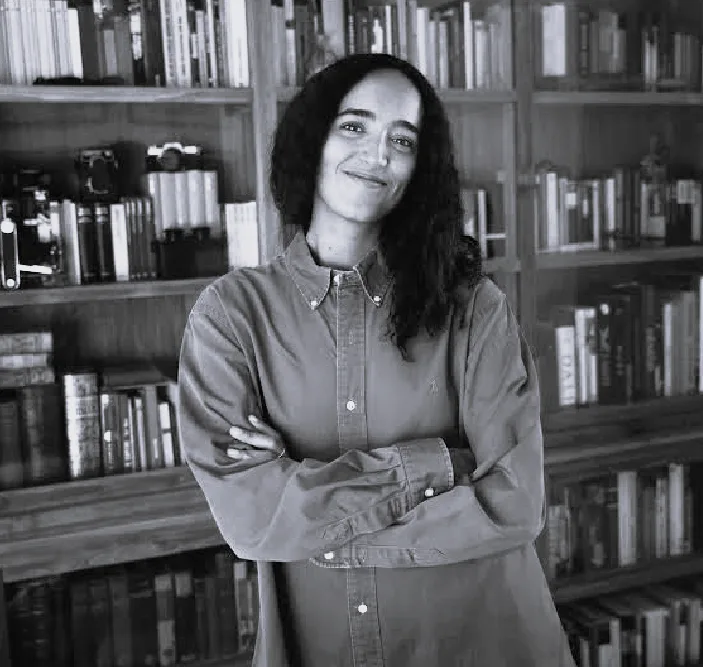
Soraya Aybar Laafou, África Mundi
Journalist and politicl scientist based in Madrid. For the past three years she has focused on African politics, human arights and social issues. She currently edits África Mundi, a Spanish-language digital outlet covering the African continent.
She previously worked for outlets such as El Español, and holds a Master’s degree in Communication and International Relations from Camilo José Cela University.
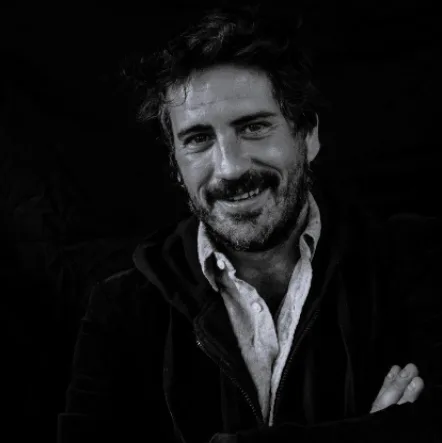
Jacobo García, El País
Journalist at El País in Madrid. He served as a correspondent in Mexico, Central America and the Caribbean for more than 20 years, also covering Venezuela, Colombia and Haiti, among other countries. He previously worked at El Mundo and the Associated Press agency in Colombia.
Winner of the 2017 Gabo Prize for Innovation and the 2021 Gabo Prize for Best Coverage, as well as the 2020/21 True Story Award. He is the author of the book Años luz, gathering more than two decades of dispatches as a foreign correspondent.
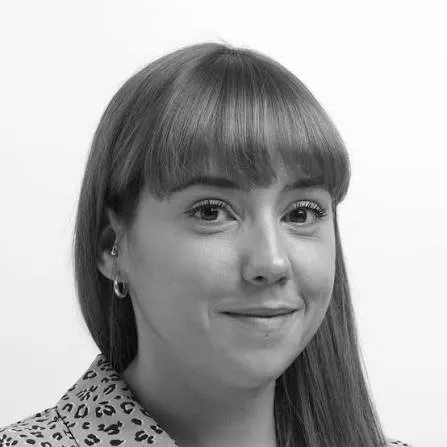
Bárbara Ayuso, El País
Journalist, screenwriter and staff writer at El País, specializing in investigative journalism, human rights and migration. Throughout her career she has extensively covered border realities, migration processes and asylum policies in the Mediterranean, Spain’s southern border and the Middle East — including extensive coverage of Palestine — bringing forward the human stories behind migration flows.
She has worked on field reporting and investigations for outlets such as Jot Down Magazine, Cadena SER, Onda Cero and El País Audio, where she has produced sound reports and investigations on refuge and social rights.
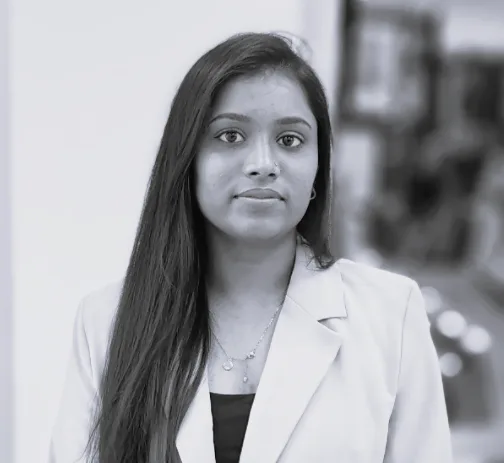
Hamshika Krishnamoorthy, Independent Journalist
Sri Lankan freelance investigative journalist focusing on migration, displacement and the post-war lives of Sri Lankan Tamils. Her work documents the situation of Sri Lankan Tamil refugees in Diego Garcia — an island under British administration in the Indian Ocean — and the challenges faced by displaced communities.
She also investigates post-war resettlement in Sri Lanka, including resettlement programs and their funding, and how government policies have affected Tamil communities. Together with three other journalists, she told her own story in a multimedia piece published by Al Jazeera, which placed second in the Migration Journalism category of the European Press Prize 2026.
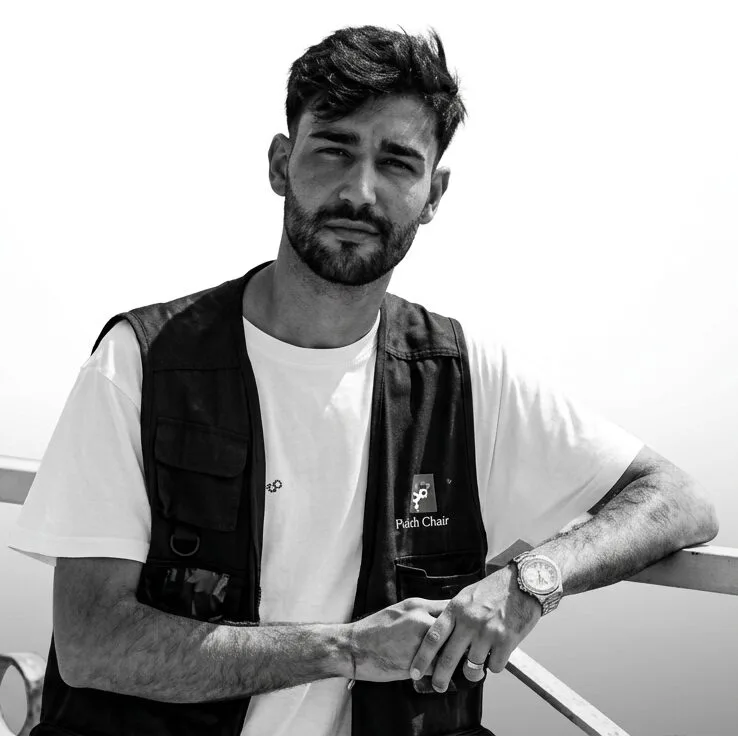
Mohamed El Harrak Benouar, EXMENAS Association
Social worker and member of the EXMENAS Association, an organization led by young people who have aged out of the Spanish minor-protection system after migrating unaccompanied. He collaborates with various social organizations and focuses his work on the defense of human rights and raising awareness about migration as a leading figure within EXMENAS.
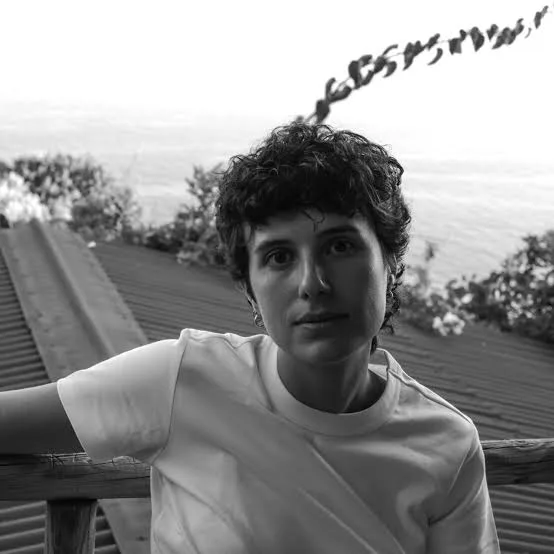
Sara Selva, Radio Ambulante
Spanish journalist based in Madrid. She began her career as a radio reporter, where she fell in love with audio, and spent seven years as a political correspondent for Cadena SER, producing in-depth audio stories on national and international news.
In 2024 she graduated from Columbia Journalism School as a Fulbright fellow. She currently works as a producer at Radio Ambulante.
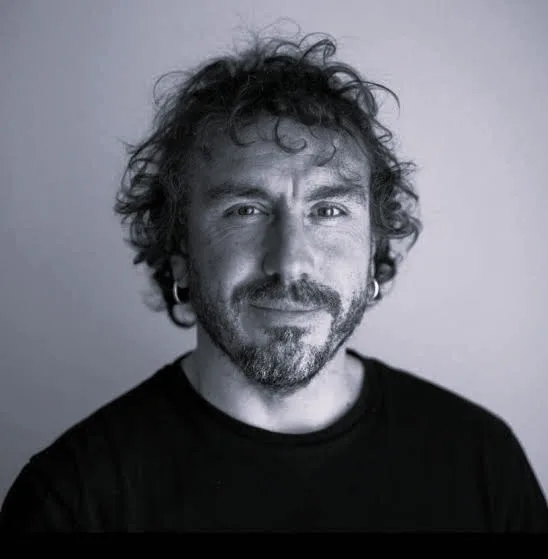
Olmo Calvo, Independent Photojournalist
Spanish photojournalist, born in Santander in 1982. Co-founder of the independent newspaper Diagonal — the precursor to what is now El Salto — where he created and coordinated its photography section, Enfoques. He documented evictions, protests and police repression in Spain during the years of the economic crisis, and works with international agencies including Associated Press (AP).
Winner of the Luis Valtueña International Humanitarian Photography Award (2013) for the series Víctimas de los desahucios, the Mingote Prize for a photograph of an eviction, and the 2014 Young Journalist of the Year Award from the Madrid Press Association (APM). His work has been exhibited internationally, including in Paraguay.
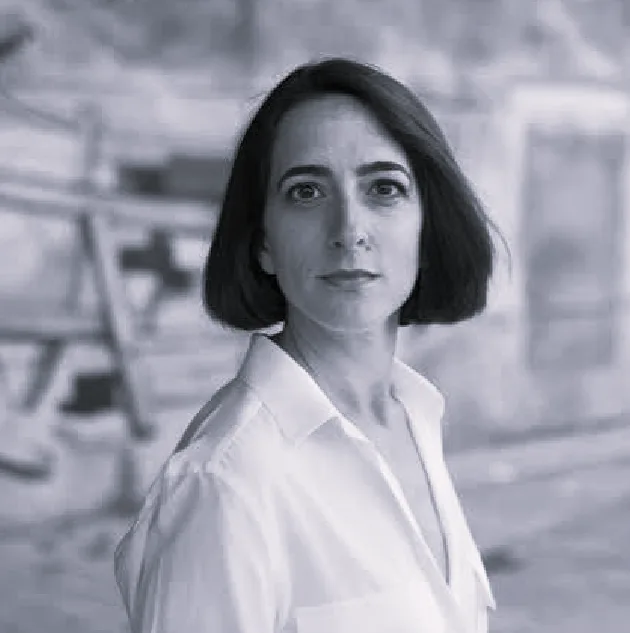
María Iglesias, elDiario.es
Spanish journalist and writer, born in Seville in 1976. Specializing in migration and human rights, she is a columnist for elDiario.es and has contributed to outlets such as Público, EFE, Cadena SER, Jot Down, Diario de Sevilla and the Franco-German channel ARTE. In 2016 she received the Seville Press Association’s Communication Award.
She is the author of the novels Lazos de humo (2011), El granado de Lesbos (2019) — about the 2015 migration crisis on the Greek island of Lesbos —, Horizonte (2023) and Puro Empeño (2025).
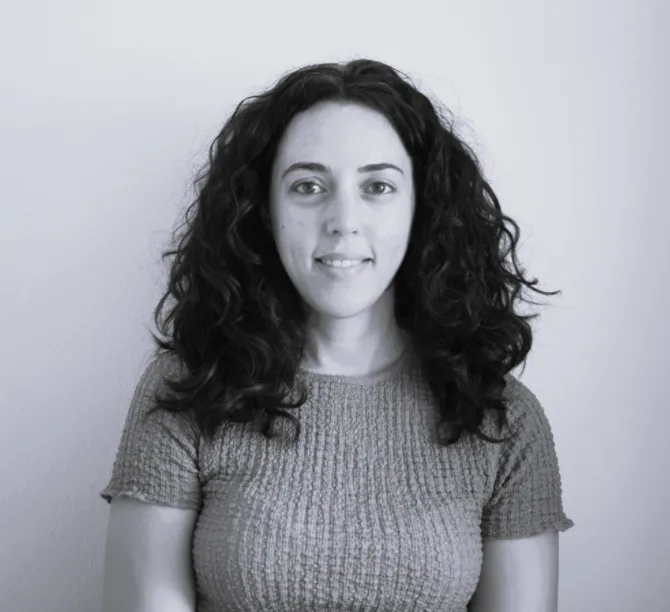
Alicia Justo, Canarias Ahora
A graduate in Journalism from the Universidad Complutense de Madrid, with a Master’s in International Journalism from the EFE agency and UNED. She contributes to the digital outlets Canarias Ahora/eldiario.es, El Salto and Mundo Negro magazine.
She specializes in migration, focusing on personal stories, human rights and the structural barriers migrants face after crossing the border. She has reported from Senegal and Gambia on the Canary migration route, climate change and decolonization, and also writes on current affairs and cultures across the African continent.
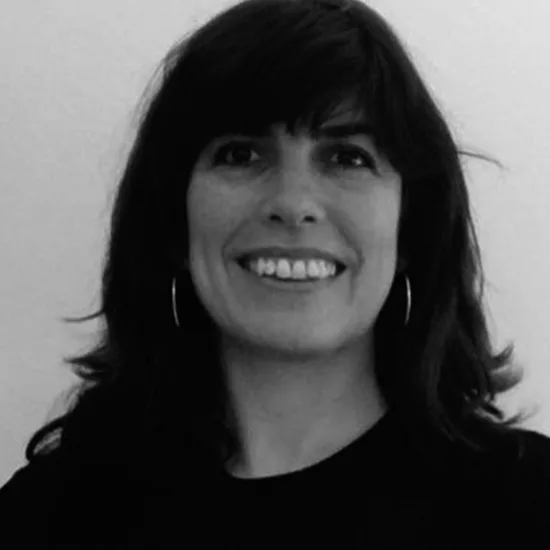
Lucila Rodríguez-Alarcón, Fundación porCausa
Agricultural engineer and crisis management specialist. General Director and co-founder of Fundación porCausa. She began her career in Brussels running a lobbying consultancy, and has served as Director of Public Affairs for Weber Shandwick and as head of communications for Oxfam Spain.
She was Director of Communications for Madrid City Council under mayor Manuela Carmena. At Público, she directed the “Con M de Migraciones” section. She is a columnist for infoLibre and a member of the European Press Prize jury. She directs the Nuevas Narrativas Migratorias essay series, is co-author of Narrativas del Amor, and author of Activistas del Amor (La Imprenta).
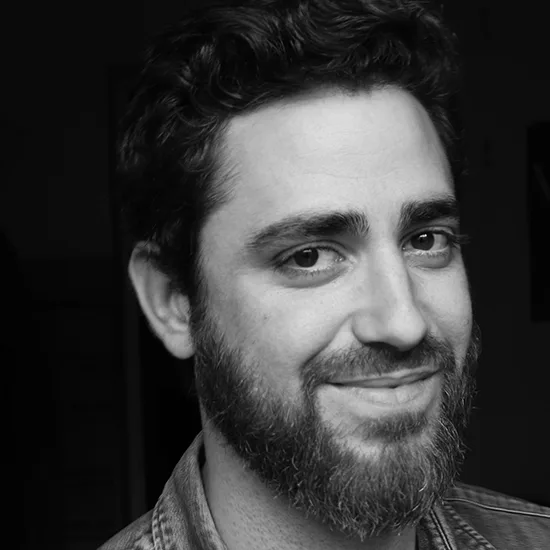
José Bautista, Fundación porCausa
Investigative journalist specializing in migration and borders. He is coordinator of journalistic investigations at Fundación porCausa, where his work on the migration control industry and border externalization stands out. He also contributes to The New York Times and the German weekly Der Spiegel.
He has collaborated with outlets and organizations including EFE, La Marea, The Washington Post, The Wall Street Journal, Folha de São Paulo, Lighthouse Reports, Forbidden Stories, Al Jazeera, eldiario.es, Público, El Confidencial, El País, OCCRP and ECLAC, among others. He holds a dual master’s degree in Economics from the Sorbonne and the École Supérieure de Commerce de Paris.
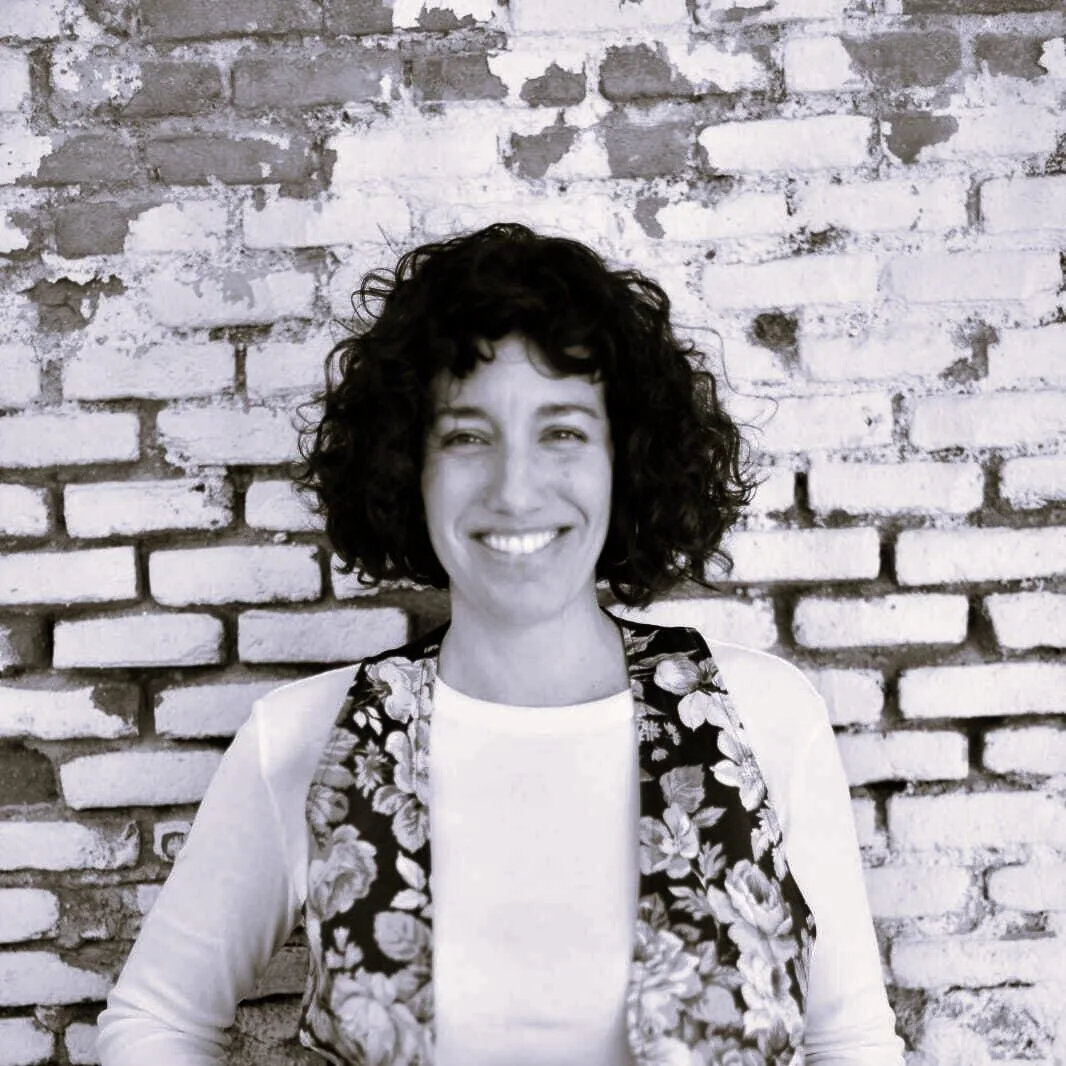
Patricia Macías, Fundación porCausa
Spanish journalist specializing in migration and gender. A graduate in Journalism from the Universidad Complutense de Madrid, she holds further specializations in Gender, Migrations and Human Rights from the same university, and in Collective Memories with a Gender Perspective in Latin America from CLACSO.
She lived two years in England and six in Guatemala, where she was an editor at the local magazine Entremundos and worked as a freelance journalist and photographer for international outlets. She currently works at Fundación porCausa as head of journalistic content and director of the Congress of Mérida. In recent years she has published with outlets such as Al Jazeera, Público, Pikara Magazine, El Salto, eldiario.es and Alfa y Omega, among others.
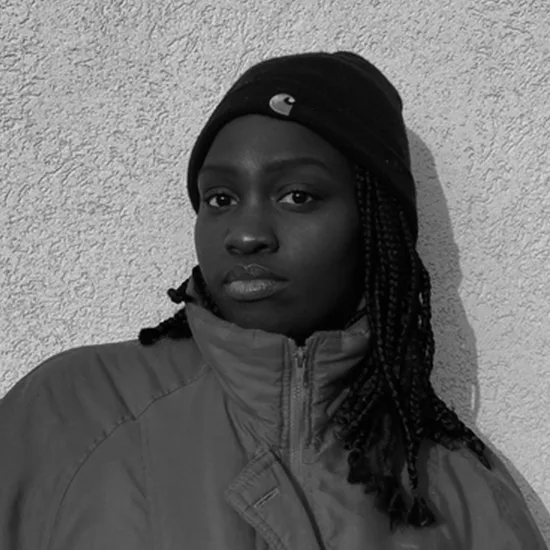
Ngone Ndiaye, Fundación porCausa
Freelance journalist based in Madrid, conducting research at Fundación porCausa. Her work focuses on Africa, migration routes, the migration control industry and human rights.
She is a guest contributor at the Pulitzer Center and was awarded the Africa Mundi Prize for Best Junior Journalist. She also contributes to outlets such as La Marea and El Salto. She previously worked at La Sexta Noticias and eldiario.es.
